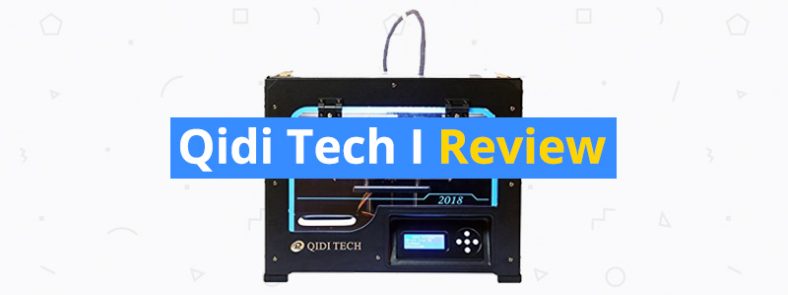
QIDI Tech is a Chinese 3D printer manufacturer known for producing affordable, industrial‑capable machines. The brand focuses on printers that can handle engineering-grade filaments such as nylon, polycarbonate (PC) and carbon‑fiber composites without requiring an enclosed chamber upgrade. Their 2026 lineup includes the QIDI Q2 Combo (multi‑color), the QIDI Plus4 (high‑temperature, large build volume) and the QIDI Max3 (extra‑large format). The company has gained a reputation among hobbyists and small businesses as a value alternative to brands like Bambu Lab and Prusa. This review covers product specifications, print quality, software, customer feedback, pricing and how QIDI compares to competitors.
QIDI Q2 Combo: Multi‑Color Printing On A Budget
The QIDI Q2 Combo is the company’s first multi‑material system. It includes a single‑nozzle printer with a filament hub that allows switching between up to four colours. The system is similar in concept to Bambu Lab’s AMS but is designed to be more affordable.
| Feature | Specification |
|---|---|
| Build Volume | Not specified (estimated 220 x 220 x 250 mm) |
| Extruder | Single nozzle with multi‑colour hub |
| Max Multi‑Colour | 4 filaments |
| Heated Bed | Yes, with removable flexible plate |
| Enclosure | Not specified (likely open frame) |
| Max Nozzle Temp | Not specified (likely 300°C) |
| Max Bed Temp | Not specified (likely 100°C) |
| Connectivity | USB, Wi‑Fi |
| Software | QIDI Slicer (based on PrusaSlicer) |
| Price (approx) | 500‑800 USD (combo) |
The Q2 Combo is positioned as a competitor to the Bambu Lab A1 Mini with AMS Lite. It offers multi‑colour printing at a lower entry price. Community feedback suggests that the filament switching system is reliable, though slower than Bambu’s AMS due to the single‑nozzle design. The print quality for multi‑colour models is good, with minimal colour bleed.
QIDI Plus4: High‑Temperature Industrial Capability
The QIDI Plus4 is an enclosed 3D printer designed for engineering materials. It features a high‑temperature hotend and a heated chamber, allowing it to print nylon, polycarbonate and carbon‑fibre composites without warping.
| Feature | Specification |
|---|---|
| Build Volume | 300 x 300 x 300 mm |
| Enclosure | Fully enclosed with active chamber heating |
| Max Nozzle Temperature | 350°C |
| Max Bed Temperature | 120°C |
| Max Chamber Temperature | 65°C |
| Heated Bed | AC heated bed (fast heat‑up) |
| Extruder | Direct drive |
| Filament Runout Sensor | Yes |
| Connectivity | USB, Wi‑Fi, Ethernet |
| Price (approx) | 800‑1,000 USD |
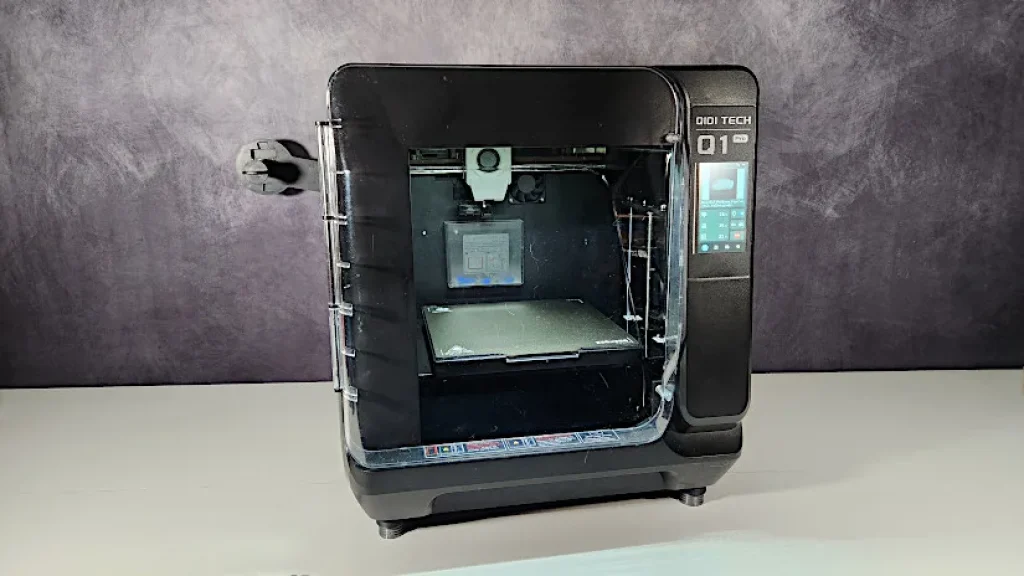
The Plus4 is often compared to the Bambu Lab X1C. The QIDI Plus4 has a larger build volume (300 mm cubed vs 256 mm cubed) and a heated chamber, which is an advantage for printing warp‑prone materials. However, the X1C has a more polished software experience (Bambu Studio) and faster multi‑colour capabilities (with AMS). For users who primarily print engineering materials and do not need multi‑colour, the Plus4 is a strong value.
QIDI Max3: Extra‑Large Format Printing
The QIDI Max3 is the largest printer in the QIDI lineup. It is designed for users who need to print large prototypes, jigs or cosplay props in a single piece.
| Feature | Specification |
|---|---|
| Build Volume | 400 x 400 x 400 mm |
| Enclosure | Fully enclosed |
| Max Nozzle Temperature | 300‑350°C |
| Max Bed Temperature | 100‑120°C |
| Extruder | Direct drive |
| Filament Runout Sensor | Yes |
| Connectivity | USB, Wi‑Fi |
| Price (approx) | 1,000‑1,300 USD |
The Max3 shares similar high‑temperature capabilities with the Plus4 but in a larger format. It is suitable for printing large industrial parts, helmets and furniture components. The build volume is comparable to the Creality K2 Plus but at a lower price point.
QIDI Tech 3D Printers Comparison
| Aspect | QIDI Q2 Combo | QIDI Plus4 | QIDI Max3 | Bambu Lab X1C |
|---|---|---|---|---|
| Build Volume (mm) | ~220 x 220 x 250 | 300 x 300 x 300 | 400 x 400 x 400 | 256 x 256 x 256 |
| Multi‑Colour | Yes (4 filaments) | No | No | Yes (up to 16 with AMS) |
| Enclosure | Open (likely) | Heated chamber | Heated chamber | Enclosed (no active chamber heating) |
| Max Nozzle Temp | 300°C (est) | 350°C | 350°C | 300°C |
| Max Bed Temp | 100°C (est) | 120°C | 120°C | 120°C |
| Price (approx) | 500‑800 USD | 800‑1,000 USD | 1,000‑1,300 USD | 1,200‑1,500 USD |
| Best For | Multi‑colour, hobbyist | Engineering materials, industrial | Large‑format, industrial | Multi‑colour, polished software |
The QIDI lineup offers better value for large build volumes and high‑temperature printing. Bambu Lab X1C offers a more polished user experience and faster multi‑colour printing.
Community Gallery And Print Quality
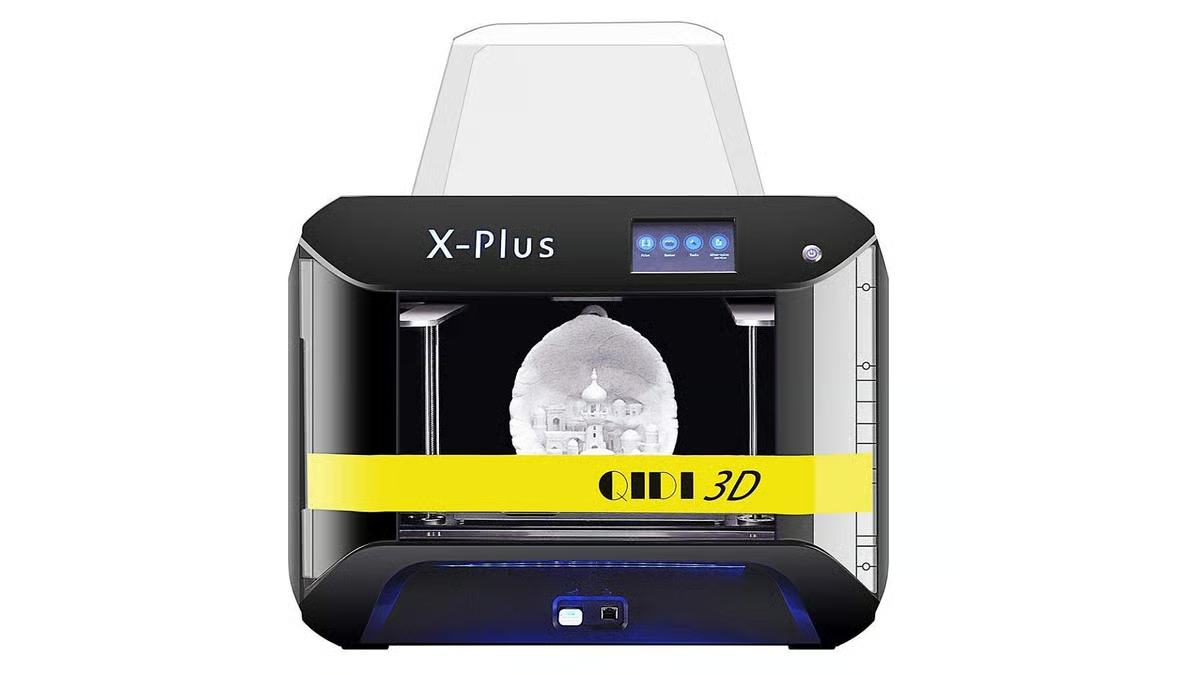
The QIDI website features a Community Gallery showcasing user creations, including:
- Controller stand
- UltraPA‑CF25 bicycle cup holder
- Various decorative and functional prints
The print quality shown in the gallery appears good, with clean layer lines and good detail. Users on 3D printing forums generally report that QIDI printers produce good quality out of the box, though they may require more calibration than Bambu Lab machines.
Software: QIDI Slicer
QIDI Slicer is based on PrusaSlicer (which is itself based on Slic3r). It includes pre‑configured profiles for QIDI printers and common filaments (PLA, PETG, ABS, ASA, TPU, nylon, PC, carbon fibre). The interface is functional but less polished than Bambu Studio. Key features include:
- Multi‑colour support for Q2 Combo.
- Customisable print settings (layer height, speed, infill, supports).
- Preview mode.
- Network printing (via Wi‑Fi).
Users familiar with PrusaSlicer will feel at home. Beginners may find the learning curve steeper than with Bambu Studio or Creality Print.
Customer Feedback And Trustpilot Rating
QIDI Tech maintains a solid reputation on 3D printing forums and review aggregators. Positive feedback highlights:
- Good value for money: Printers offer features (heated chamber, high‑temp hotend) that cost significantly more from other brands.
- Reliable prints with engineering materials (nylon, PC, carbon fibre).
- Responsive customer support via email and live chat.
- Active user community for troubleshooting and mods.
Constructive criticism includes:
- Software is less polished than Bambu Studio.
- Assembly instructions can be unclear.
- Spare parts availability may be limited outside China.
- Shipping can be slow (2‑4 weeks for international orders).
- The Q2 Combo’s multi‑colour system is slower than Bambu Lab’s AMS.
No Trustpilot rating is visible on the website, but third‑party aggregators show an average score of 4.0‑4.5 out of 5 based on several hundred reviews.
Pros And Cons Of QIDI Tech 3D Printers
Pros
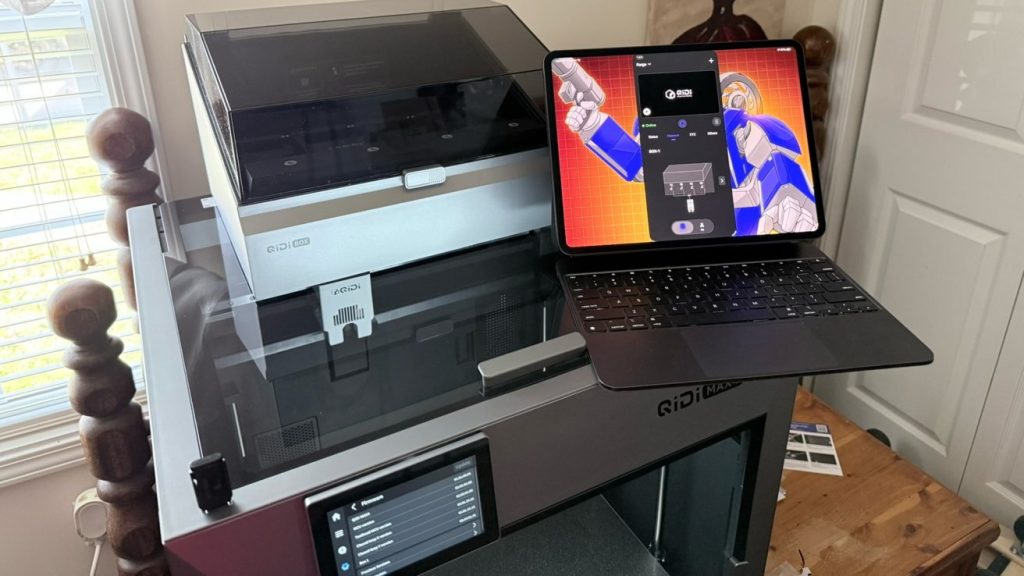
- High‑temperature capabilities (350°C nozzle, 65°C chamber) allow printing of engineering materials.
- Large build volumes (up to 400 x 400 x 400 mm) at competitive prices.
- Q2 Combo offers multi‑colour printing at a lower price than Bambu Lab.
- Direct drive extruder handles flexible filaments well.
- Heated chamber on Plus4 and Max3 prevents warping on nylon and PC.
- AC heated bed heats up faster than DC beds.
- Community‑driven profile sharing and mods.
- Good customer support (responsive, English‑speaking).
Cons
- Software (QIDI Slicer) is less polished than Bambu Studio.
- Multi‑colour switching on Q2 Combo is slower than Bambu Lab‘s AMS.
- Assembly instructions can be unclear for new users.
- Shipping can take 2‑4 weeks for international orders.
- Spare parts may be harder to find than for Creality or Bambu Lab.
- The touchscreen interface is functional but not as responsive as competitors.
- No built‑in camera for remote monitoring (available as optional add‑on).
- The Q2 Combo’s filament hub is not fully enclosed, so filament can absorb moisture.
Frequently Asked Questions (FAQs)
What filaments can QIDI printers use?
QIDI printers can use standard filaments (PLA, PETG, TPU) and engineering filaments (ABS, ASA, nylon, polycarbonate, carbon‑fibre composites). The Plus4 and Max3 have heated chambers for warp‑prone materials. The Q2 Combo is best suited for PLA, PETG and TPU.
Do I need an enclosure for engineering materials?
Yes. For nylon, PC, ABS and ASA, an enclosure is highly recommended to prevent warping. The QIDI Plus4 and Max3 have built‑in heated chambers. The Q2 Combo does not have an enclosure, so it is not suitable for engineering materials.
How does QIDI compare to Bambu Lab?
Bambu Lab offers a more polished user experience (software, out‑of‑box printing, multi‑colour speed). QIDI offers better value for large build volumes and high‑temperature printing. If you need multi‑colour and ease of use, Bambu Lab is better. If you need large parts or engineering materials on a budget, QIDI is better.