



Table of Contents
Introduction
Coconut Bowls is one of those brands that makes you feel good just by looking at it. Founded in 2016 by Australian surfer Jake McKeon, the company reclaims discarded coconut shells that would otherwise be burned as waste and turns them into bowls, cups, and cutlery for smoothie bowls, acai, and sustainable living. The brand has sold millions of products in over 150 countries, appeared on Shark Tank, earned B Corp “Best for the World” recognition for the environment, and accumulated more than 11,000 five-star reviews on its own site.
But the ownership experience is far more complicated than the Instagram-ready aesthetic suggests. The brand offers a lifetime guarantee, but the experience of claiming it is inconsistent. This review separates the genuine sustainability mission and aesthetic appeal from the durability and support problems so you can decide whether Coconut Bowls is worth the risk.
What Is Coconut Bowls?
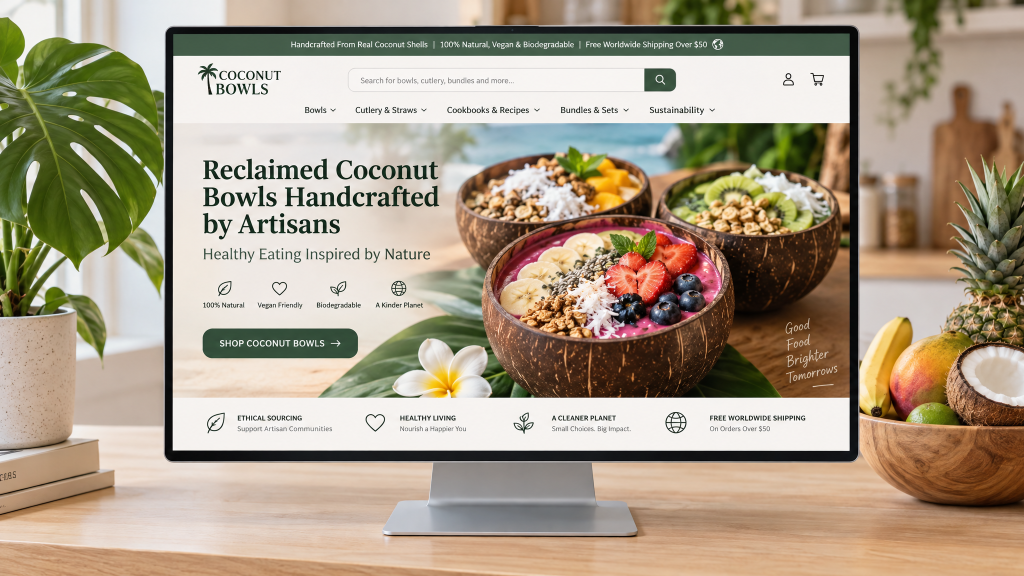
Coconut Bowls is an Australian-born eco-friendly homeware brand founded in 2016 by Jake McKeon, who conceived the idea during a surfing trip in Bali. The company is headquartered in Byron Bay, Australia, with a US address in Los Angeles, and it sells through its own website, wholesale channels, and marketplaces.
Key aspects of the brand include:
- Founded in 2016, with a mission to upcycle discarded coconut shells into reusable homeware
- B Corp certified, and honoured as “Best for the World: Environment” in 2022
- Product range spans coconut bowls, bamboo smoothie cups, wooden cutlery, bamboo straws, candles, and storage bags
- Lifetime guarantee on products, with a free replacement if an item cracks or breaks during normal use
- Pricing around $12.95** per bowl (often discounted to **$6.48), with cutlery sets around **$24.95**–$34.80
- Over 11,000 five-star reviews claimed on the brand’s own site
The brand’s identity is built on sustainability and aesthetics rather than on consistent durability or a reliable support operation.
The Product Line: Bowls, Cutlery, and Beyond
Coconut Bowls’ catalogue is centred on coconut shell tableware, with a small range of complementary products that extend the sustainable-living concept.
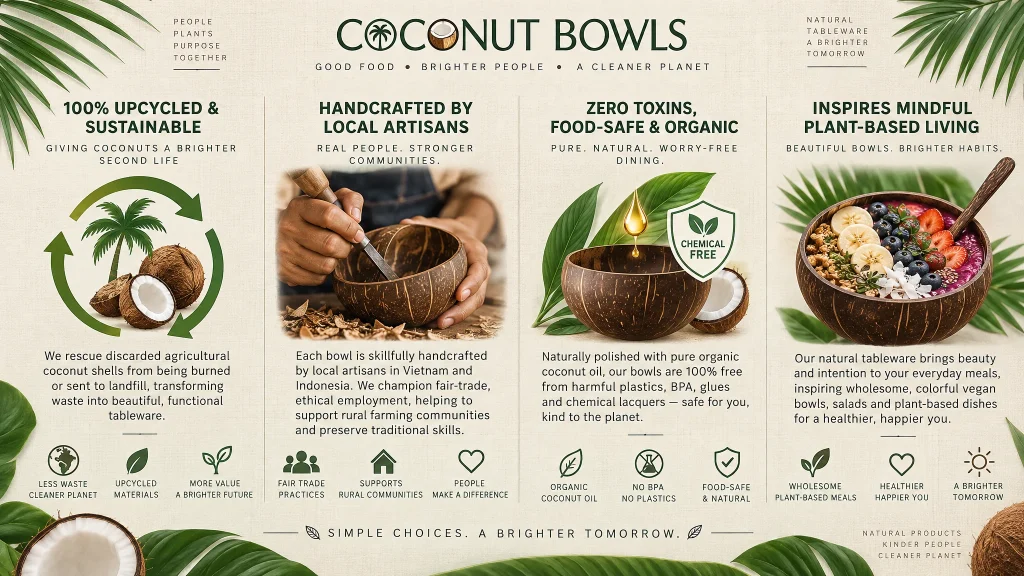
Coconut Bowls are the core product. They are handcrafted from reclaimed coconut shells, polished with organic virgin coconut oil, and available in natural, avocado, and Wanderlust designs. Each bowl is unique, with its own shape, size, and markings.
Bamboo Smoothie Cups and Bamboo Straws extend the range into drinkware, positioned as plastic-free alternatives for smoothies and iced drinks.
Wooden Buddha Cutlery Sets include a spoon, fork, knife, and chopsticks, priced around $24.95.
Coconut Candles and Storage Bags round out the catalogue, reinforcing the brand’s plastic-free, natural-material positioning.
| Category | Key Products | Price Range | Best For |
|---|---|---|---|
| Coconut Bowls | Natural, Avocado, Wanderlust designs | $6.48–$12.95 | Smoothie bowls, acai, snacks |
| Bamboo Drinkware | Smoothie cups, straws | Budget to Mid | Plastic-free drinks |
| Cutlery | Wooden Buddha set | ~$24.95 | Sustainable dining |
| Lifestyle | Candles, storage bags | Budget to Mid | Gifts and home decor |
Build Quality and Materials: Beautiful, But Fragile
Build quality is where the Coconut Bowls experience splits most sharply, and the honest answer is that the product looks better than it performs for a significant minority of buyers.
What the brand and positive reviews highlight:
- The bowls are handcrafted from real coconut shells, finished with organic virgin coconut oil, and are entirely natural and compostable.
- Satisfied customers describe the bowls as “beautiful,” “well-crafted,” and a delight to eat from, with one reviewer noting they “feel so good in hand”.
- The packaging is consistently praised as thoughtful and gift-ready, with one reviewer describing a bowl “beautifully wrapped up in pretty covering paper”.
Where the quality claims break down:
- Cracking is a recurring problem. A reviewer reported that a Jumbo Bowl broke on the second use with lukewarm food and received no reply to three emails over 1.5 weeks. Another reviewer noted their bowls and cups cracked after first use and described the edges as “thin” and “rough”.
- Mold on arrival has been reported, with one customer receiving a cup covered in green mold and having to send multiple emails before getting a response.
- A Xiaohongshu review bluntly warned that coconut bowls “crack very easily, quality is worrying” and are “overpriced with extremely low cost-performance”.
| Component | Feedback |
|---|---|
| Coconut shell material | Natural, beautiful, unique per bowl |
| Cracking resistance | Weak — multiple reports of cracking on first or second use |
| Packaging | Consistently praised as gift-ready |
| Mold and hygiene | At least one report of mold on arrival |
| Longevity | Mixed — some bowls last, others fail quickly |
Design and Aesthetic Appeal
Design is the brand’s strongest asset, and the bowls are genuinely photogenic in a way that few sustainable products manage.
What works well:
- The natural coconut shell finish gives each bowl a unique, rustic look that photographs well for smoothie bowls and acai.
- The Avocado and Wanderlust designs add personality without compromising the natural aesthetic.
- The organic coconut oil polish gives the bowls a subtle sheen that looks premium in person.
- The packaging is designed for gifting, which makes the brand a popular choice for eco-conscious presents.
Where the design does not work for everyone:
- The bowls are smaller than some buyers expect, with one reviewer noting they were “smaller than I expected” though still suitable for snacks and small meals.
- The natural variation means sizes and shapes are inconsistent, which is part of the charm but can be a problem if you need matching sets.
- The thin edges on some bowls contribute to the cracking issue and make them less suitable for heavy or hot foods.
Performance: Does It Deliver?
Performance is where the brand’s reputation is most polarised, and the outcome depends heavily on the individual bowl you receive and how you treat it.
What positive reviews suggest:
- Many customers use their bowls regularly for smoothies and snacks without issues, and some describe them as “more durable than I thought they would be”.
- The lifetime guarantee is honoured in some cases, with one Amazon reviewer receiving two replacement bowls after reporting a small crack.
- The bowls are lightweight and easy to clean, which is a practical advantage for daily use.
Where performance falls short:
- Cracking on first use is not an isolated incident. Multiple reviewers describe bowls breaking with lukewarm food, which suggests that the product is not as robust as the marketing implies.
- Customer service does not always respond, with reviewers describing no reply after weeks and non-existent support.
- The lifetime guarantee is only as good as the support team behind it, and the evidence suggests that claiming it can be frustrating.
| Performance Aspect | Feedback |
|---|---|
| Daily use (smoothies, snacks) | Generally fine for many users |
| Heat resistance | Poor — cracking reported with lukewarm food |
| Durability | Mixed — some bowls last, others fail quickly |
| Guarantee fulfilment | Inconsistent — some replacements, some silence |
| Cleaning | Easy — lightweight and hand-wash friendly |
Pricing and Value
Coconut Bowls pricing is mid-range for sustainable tableware, and the value case depends on whether you receive a bowl that lasts.
Typical pricing:
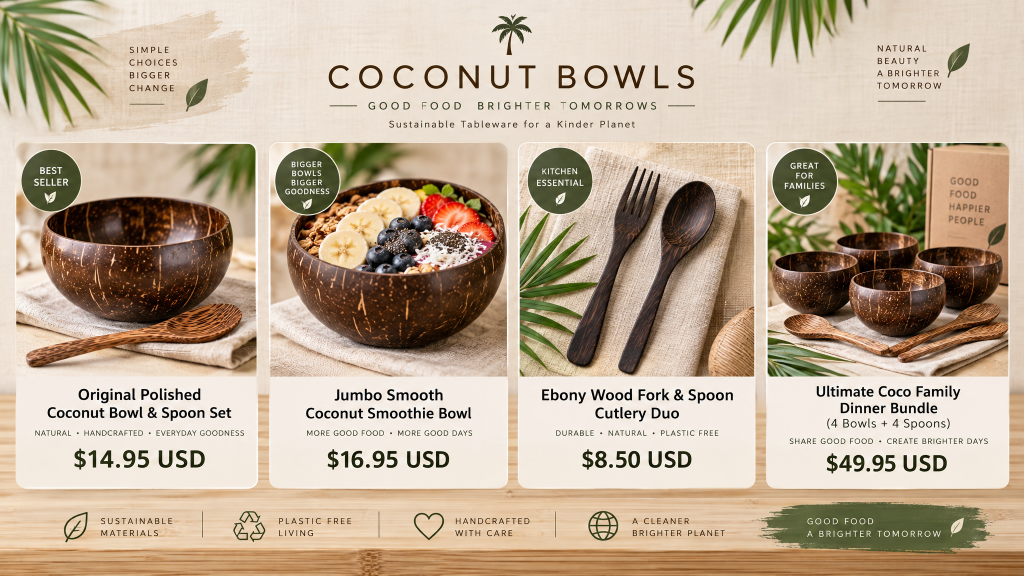
- Single bowl: $12.95** list, often discounted to **$6.48
- Wooden Buddha Cutlery Set: **$24.95** (discounted from $34.80)
- Multi-bowl packs: available at a per-unit discount
- Free shipping on orders over $100
| Product | Price Range | Value Assessment |
|---|---|---|
| Single Bowl | $6.48–$12.95 | Fair if it lasts; poor value if it cracks quickly |
| Cutlery Set | ~$24.95 | Fair for the materials and aesthetic |
| Multi-Pack | Discounted per unit | Strong for households that will use them daily |
| Candles and Accessories | Budget to Mid | Fair for gifts |
The value case is strongest for buyers who receive a good bowl and use it regularly, where the low per-unit price and sustainability mission justify the purchase. It is weakest for buyers who receive a cracking bowl and cannot get a replacement, because the effective cost per use becomes very high.
Customer Experience: The Support and Guarantee Problem
This is the part of the Coconut Bowls story that any honest review must confront directly. The brand’s mission is genuine, but the support record is inconsistent enough that buyers should understand the risk.
Positive signals:
- Trustpilot shows the brand responds to negative reviews, typically within a week, and has responded to 1 of 1 negative reviews in recent periods.
- The brand has a published lifetime guarantee and a 14-day returns window for change-of-mind returns.
- Some customers describe fast, helpful replacements, with one Amazon reviewer receiving two new bowls after reporting a crack.
Concerning signals:
- Trustpilot’s rating sits at 3.7 out of 5 (“Acceptable”), with detailed complaints about cracking, mold, and unresponsive support.
- The BBB records 5 complaints against the business, and the brand is not BBB accredited.
- A reviewer described “terrible customer service” and noted that after a bowl broke on second use, they sent three emails over 1.5 weeks with no reply.
- Another reviewer warned: “BEWARE!! DON’T BUY FROM COCONUT BOWLS!! NEVER RECEIVED MY ORDER” after many attempts to contact the company.
| Platform | Rating / Feedback |
|---|---|
| Trustpilot | 3.7/5 — “Acceptable” |
| BBB | 5 complaints, not accredited |
| Amazon | Mixed — praise for aesthetics, complaints about cracks |
| Common complaints | Cracking, mold, slow or no support, non-delivery |
| Common praise | Beautiful design, sustainable mission, gift packaging |
Pros and Cons
| Pros | Cons |
|---|---|
| Genuine sustainability mission with B Corp recognition | Bowls can crack on first or second use |
| Beautiful, unique, handcrafted design | Customer service can be slow or unresponsive |
| Lifetime guarantee advertised | Guarantee fulfilment is inconsistent |
| Gift-ready packaging praised by customers | Mold on arrival reported |
| Lightweight and easy to clean | BBB complaints and non-accreditation |
| Free shipping over $100 | Bowls are smaller than some buyers expect |
Coconut Bowls vs. Standard Alternatives
How does Coconut Bowls compare to other sustainable tableware brands and generic coconut bowls?
| Feature | Coconut Bowls | Generic Coconut Bowls (Marketplace) | Bamboo Bowls | Ceramic Bowls |
|---|---|---|---|---|
| Price | $6.48–$12.95 per bowl | Lower per unit | Mid-range | Mid to Premium |
| Sustainability Mission | Strong — B Corp, upcycled shells | Varies | Strong | Moderate |
| Durability | Mixed — cracking reported | Highly variable | Generally good | Excellent |
| Customer Support | Inconsistent | Often nonexistent | Varies | Strong |
| Lifetime Guarantee | Yes, but fulfilment varies | Rarely | Rarely | Varies |
| Best For | Eco-conscious gifters who value aesthetics | Budget buyers | Everyday sustainable use | Long-term durability |
Coconut Bowls’ advantage is the brand story, the packaging, and the B Corp certification. Generic marketplace bowls are cheaper but come with no support and inconsistent quality, while bamboo and ceramic bowls offer better durability but less of the tropical aesthetic. For a buyer who wants a beautiful, sustainable gift and is prepared for some risk, Coconut Bowls is compelling. For a buyer who needs guaranteed durability and support, the alternatives are safer.
Verdict and Final Thoughts
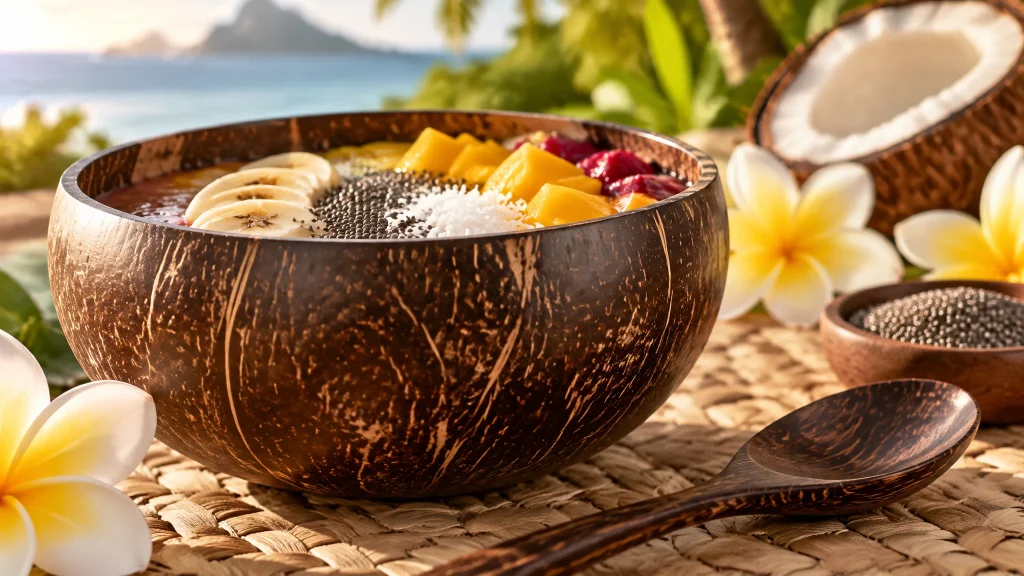
Coconut Bowls is a brand with a genuine mission and a genuinely beautiful product. The bowls are unique, the packaging is thoughtful, and the sustainability credentials are real. When a bowl arrives intact and holds up to daily use, it is a delightful addition to a kitchen and a meaningful gift for someone who cares about reducing waste.
But the ownership experience is not consistently reliable. Cracking on first use, mold on arrival, and slow or nonexistent customer service are recurring complaints that undermine the brand’s promise. The lifetime guarantee is only valuable if the support team honours it, and the evidence suggests that claiming it can be frustrating.
Who is Coconut Bowls best for?
- Eco-conscious gifters who want a beautiful, sustainable present and are prepared for some risk
- Buyers who will use the bowls for dry or cool foods and avoid hot liquids that increase cracking risk
- Anyone who values B Corp certification and a genuine upcycling mission over guaranteed durability
- Shoppers who purchase through a marketplace with buyer protection (Amazon, etc.) rather than direct
Who should look elsewhere?
- Buyers who need a bowl that will withstand hot food and daily heavy use
- Anyone who prioritises responsive customer service and easy warranty claims
- Shoppers who want a consistent, uniform set rather than naturally varied pieces
- People who are not comfortable with the risk of cracking or mold on arrival
Overall, Coconut Bowls is worth considering if you love the aesthetic and the mission, buy through a channel with buyer protection, and treat the bowls with care. The product is beautiful; the durability and support are not always. For the right buyer, the sustainability story justifies the risk. For everyone else, a bamboo or ceramic alternative may be the safer choice.
Considering Coconut Bowls? Buy through Amazon or a retailer with a clear return policy, avoid hot liquids in the bowls, hand-wash gently, and keep your order confirmation in case you need to claim the lifetime guarantee.
Scorecard
| Category | Rating |
|---|---|
| Design & Aesthetic Appeal | ⭐⭐⭐⭐⭐ |
| Sustainability Mission | ⭐⭐⭐⭐⭐ |
| Build Quality & Durability | ⭐⭐⭐⭐ |
| Customer Support & Guarantee | ⭐⭐⭐⭐ |
| Pricing & Value | ⭐⭐⭐ |
| Overall Rating | 4.2/5 |