The WHOOP 5.0 is the latest version of the popular screenless fitness tracker. Unlike traditional smartwatches, it has no display. All your data is viewed in the companion app. The device is designed to be worn 24/7, tracking everything from sleep and recovery to strain and long‑term health trends. This review is based on 11 months of testing the unit, covering its design, battery life, new HEALTHSPAN feature, membership tiers, and overall value.
Key Specifications And Pricing
The WHOOP 5.0 comes in two virtually identical hardware versions. The standard 5.0 unit is included with the One and Peak memberships. The 5.0 MG (medical‑grade) unit is reserved for the top‑tier Life membership and adds an electrocardiogram (ECG) sensor for AFib detection and blood pressure insights.
| Feature | Whoop 5.0 (One/Peak) | Whoop 5.0 MG (Life) |
|---|---|---|
| Unit cost | No upfront cost | No upfront cost |
| Annual membership | 199 USD (One) / 239 USD (Peak) | 359 USD (Life) |
| Battery life | Up to 14 days | Up to 14 days |
| Healthspan (Whoop Age) | Yes (Peak and Life) | Yes |
| ECG / AFib detection | No | Yes |
| Blood pressure insights | No | Yes (requires separate cuff) |
| Wireless charger | No (One has wired charger) | Yes |
The device is approximately 10 percent smaller than the Whoop 4.0, making it slightly sleeker on the wrist. The default fabric strap tends to stay damp after showers or swimming and can collect sweat and dirt. Alternative SportFlex (60 USD) and LeatherLuxe (129 USD) bands are available for better water resistance and a more precise fit.
Design And Everyday Wear
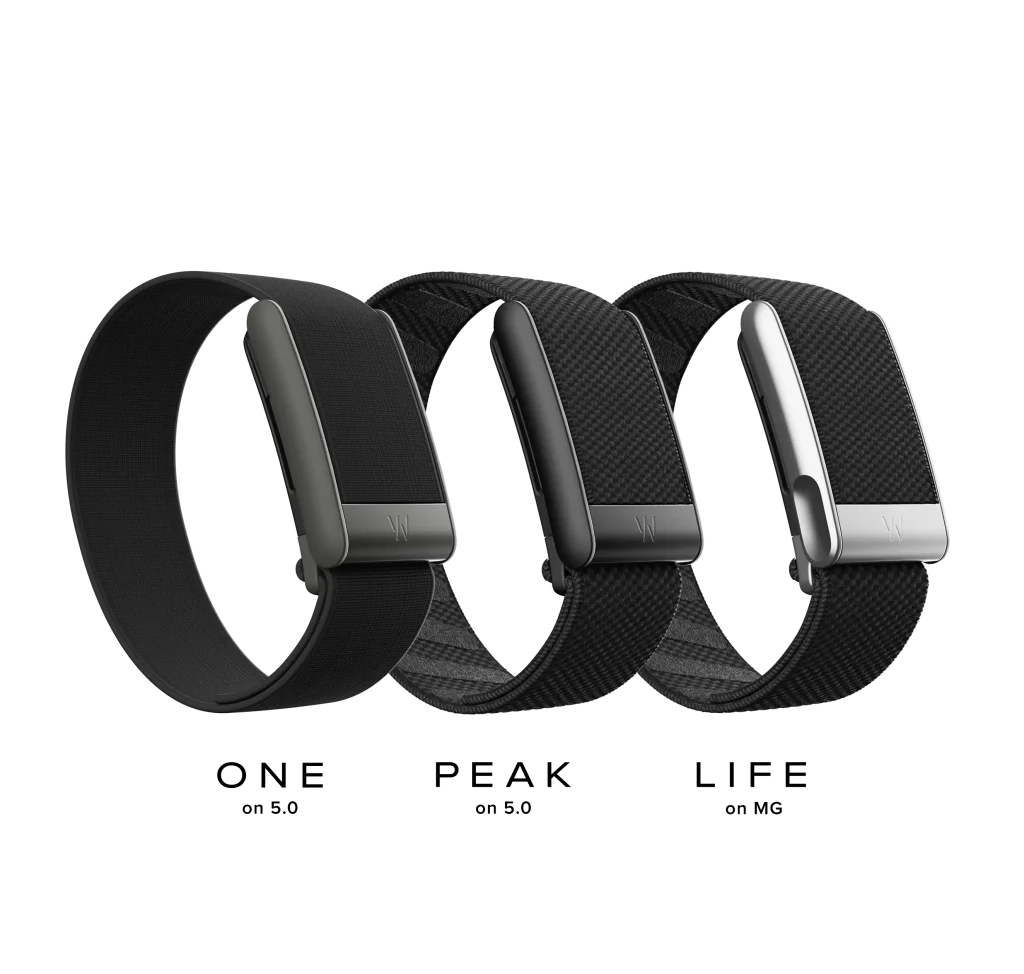
The WHOOP 5.0 is a minimalist, screenless tracker. It sits comfortably just above the wrist with minimal sliding. The lack of a screen is a deliberate design choice. It is meant to keep you focused on your workout and recovery without distractions. The downside is that you cannot glance at your wrist mid‑run to check your pace or heart rate. Whoop is a retroactive tracker. It analyzes your activity after it is completed and then shows you the data in the app. This is a significant shift for anyone used to real‑time feedback from a smartwatch.
Battery Life: A Major Upgrade
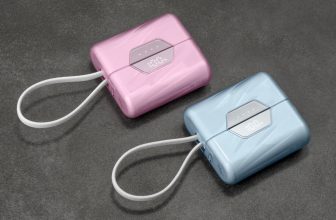
The most noticeable improvement in the WHOOP 5.0 is its battery life. It lasts about two weeks on a single charge. This is a substantial upgrade from the whoop 4.0, which lasted only about four days. The two‑week cushion offers forgiving flexibility, especially for those who travel frequently or occasionally forget to pack the charger. The upgraded processors are also 60 percent quicker than the previous unit. This results in a better app experience, faster syncing, and more accurate workout auto‑detection. The wireless charger (included with Peak and Life memberships) attaches to the clasp and allows you to charge without taking the unit off your wrist. The One membership includes a basic wired charger instead.
Membership Tiers: One, Peak And Life
Whoop has restructured its membership into three tiers. The more you pay, the more insights and capabilities you unlock.
One membership (199 USD per year): This entry‑level tier includes the new 5.0 unit. It provides everything the whoop 4.0 covered, including recovery scores based on updated sleep and strain monitoring, step tracking, VO2 max, heart rate zones, and women‘s hormonal insights. This membership is designed to inform you about your daily and short‑term achievements.
Peak membership (239 USD per year): This mid‑tier membership includes everything from One, plus access to long‑term datasets. Key features include the HEALTHSPAN suite with WHOOP AGE (which indicates the pace of aging), a stress monitor, and an overall health monitor. This tier also includes the wireless charger and AI coaching. This is the recommended tier for most users.
Life membership (359 USD per year): This is the most expensive tier. It includes the Whoop 5.0 MG (medical‑grade) unit. In addition to all Peak features, it offers heart screening, ECG capabilities for AFib detection, and blood pressure insights. For the latter, you will need a separate cuff and must follow specific steps to calibrate the measurements.
New Healthspan And Menstrual Cycle Tracking
One of the standout additions to the WHOOP 5.0 is the HEALTHSPAN suite. It shows you metrics like WHOOP AGE and pace of aging. These metrics aim to tell you not just how fit you are, but how well your body is holding up over time. During my testing, my pace of aging score became one of the things I looked at most. It has been equal parts exciting and jarring to see how habits and life events affect your body. For example, during an injury, my whoop age increased by three years as I recovered. On streaks where I slept well and moved every day, my whoop age trended down.
The menstrual cycle tracking is another impressive update. It is more than a calendar. It layers your cycle information over your recovery, sleep, and strain patterns. This allows you to see how your body‘s readiness shifts through each menstrual phase. In my own tracking, I noticed that during my luteal phase, my recovery score was often lower and my resting heart rate a little higher. Meanwhile, my follicular phase was a prime time for me to push harder during my workouts. The AI coach interprets my data and suggests adapting my workouts based on where I am in my cycle.
When comparing this feature with the Oura Ring, Whoop is the clear winner for training smarter throughout your cycle. It directly correlates cycle phases with strain and recovery. Oura takes the crown for pure reproductive awareness and temperature‑driven cycle predictions.
Recovery And Sleep Insights

The recovery data that Whoop provides is where it really shines. Each morning, you receive a score and a color code. Green means excellent recovery, yellow means OK to good recovery, and red means low recovery. The score is based on your heart rate variability (HRV), respiratory rate, and sleep.
There is a journal feature that lets you log daily habits, such as caffeine intake, sleeping with a partner or pet, exercise, and alcohol consumption. After a few weeks, you will have a clear view of what things help you recover faster and what habits hurt your progress. The sleep tracking is also impressive and detailed. You can get insights into how long you slept, how much time you spent in each sleep stage (light sleep, REM, and deep sleep), and it will even recommend your bedtime based on your recovery needs and sleep debt.
Training With The Whoop 5.0
When you work out, each activity gets a strain score based on your heart rate and HRV. On green recovery days (optimal recovery), the Whoop AI coach encourages you to push a little harder. On red days (low recovery — either because you did not sleep well or have been pushing your body to its limits), the coach will recommend taking it slow. More often than not, I feel like my body agrees with that advice. Note that strain and stress scores appear to overlap in the data, but Whoop separates these two metrics in the app. For example, weightlifting and other non‑cardio activities induce stress but are low in strain count.
Pros And Cons Of The Whoop 5.0
Pros
- 14‑day battery life is a major upgrade over the 4.0 model
- Medical‑grade ECG sensor on the MG model with AFib irregular heart rhythm detection
- The new HEALTHSPAN feature provides unique insights into biological age and pace of aging
- No upfront cost for the unit; you only pay the subscription
- Impressive recovery, sleep, and strain tracking with AI coaching
- Excellent menstrual cycle tracking that directly correlates cycle phases with training and recovery
- Faster processors make the app experience smoother and syncing quicker
- Wireless charger (on Peak and Life tiers) allows charging without removing the band
Cons
- Lower‑tier membership (One) excludes features often found in similar fitness trackers
- Subscription‑based pricing can be expensive compared to one‑time purchases
- No screen means no real‑time feedback during workouts (retroactive tracking only)
- The default fabric strap stays damp and can develop odors
- The MG model’s ECG and blood pressure features require the most expensive membership
- Blood pressure insights require a separate cuff and calibration
- The charger is not waterproof, so it cannot be used while swimming or showering
- The unit is screenless, which may disappoint users who rely on wrist‑based data
Who Should Buy The Whoop 5.0

The WHOOP 5.0 is ideal for fitness enthusiasts who are serious about understanding their recovery, sleep, and long‑term health trends. It is particularly well‑suited for athletes who want to train smarter, not just harder. The HEALTHSPAN feature is a unique selling point for those interested in biological age and longevity. People who are already invested in the Whoop ecosystem will find the 5.0 a worthwhile upgrade, especially for the battery life and faster processors. The Peak membership (239 USD per year) is the best balance of features and value for most users.
Who Should Consider Alternatives
If you need real‑time metrics during your workouts, a traditional smartwatch like an Apple Watch or Garmin is a better fit. If you are on a tight budget, the subscription model may be prohibitive. For detailed reproductive health tracking (like predicting fertile windows), the Oura Ring offers richer temperature‑driven cycle predictions. If you already own a Whoop 4.0 and are happy with it, the upgrade is not essential unless you want the 14‑day battery life or the new HEALTHSPAN features.
Frequently Asked Questions (FAQs)
What is the difference between the Whoop 5.0 and the Whoop 5.0 MG?
The hardware is virtually identical. The MG (medical‑grade) unit is only available with the Life membership (359 USD per year). It adds an ECG sensor for AFib detection and blood pressure insights (requires a separate cuff). The standard 5.0 unit (One and Peak memberships) does not include these medical features.
How long does the Whoop 5.0 battery last?
The Whoop 5.0 battery lasts up to two weeks (14 days) on a single charge. This is a significant improvement over the Whoop 4.0, which lasted about four days.
Does the Whoop 5.0 have a screen?
No. The Whoop 5.0 is screenless by design. All data is viewed in the companion app. It is a retroactive tracker, meaning it tells you how you did after the activity is completed, not as you go.