Apple is expecting “significantly higher memory costs” heading into the remainder of 2026, CEO Tim Cook said Thursday during Apple’s second-quarter earnings call. The tech giant is now facing the memory shortage that has already been impacting the rest of the industry. While Apple was partially unaffected during this quarter due to existing stockpiles, costs will rise beyond June.The Memory Crisis: Why Are Costs Rising?
The global memory shortage is being driven by a surge in demand from AI data centers. As companies continue to build out AI infrastructure, their need for memory and other components has reduced the supply available for consumer devices.
| Factor | Impact on Memory Supply | Consumer Effect |
|---|---|---|
| AI Data Center Expansion | High demand for enterprise memory | Reduces supply for consumer devices |
| iPhone 17 Popularity | Higher-than-expected sales | Drains existing stock faster |
| MacBook Neo Demand | “Off the charts” according to Cook | Creates supply constraints |
| Mac Mini & Mac Studio for AI | Customers buying for AI agents | Several months to recover supply |
What Apple says: “We believe memory cost will drive an increasing impact on our business, and we’ll continue to evaluate this. We’ll look at a range of options.” – Tim Cook, CEO of Apple.
Which Apple Products Will Be Affected?
While Apple has managed to weather the storm better than competitors so far, the coming quarters will bring challenges. Cook specifically called out several products that will likely see impacts.
Immediate impact (already affected):
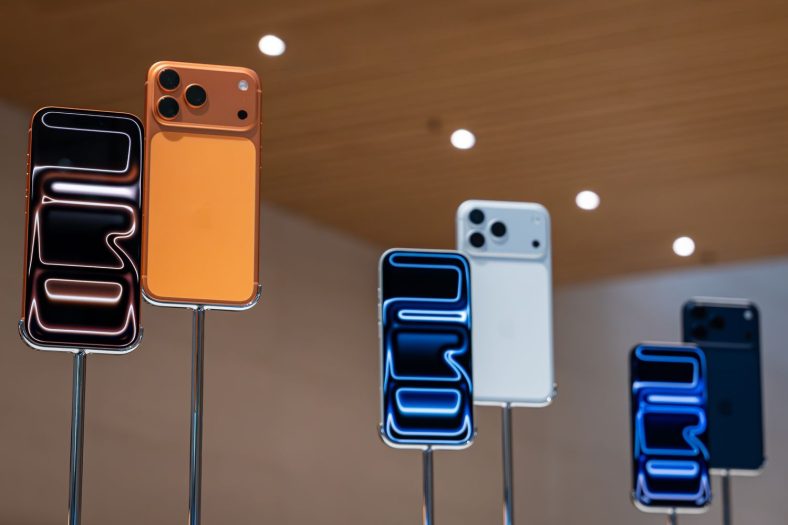
- iPhone 17 lineup – Extraordinary demand has already strained supply
- MacBook Neo – “Customer response has just been off the charts,” Cook said
Future impact (coming months):
- Mac Mini – Customers are buying these to use with AI agents
- Mac Studio – Popular for AI workloads
- Supply recovery for these computers may take several months
Why Apple is better positioned: According to Nabila Popal, senior research director at IDC, “Apple remains better positioned than its competitors to manage the memory crisis and get the supply it needs.” The key question will be the balance between increasing prices and maintaining profitability.

Could iPhone and MacBook Prices Increase?
Apple has not announced specific price increases yet, but analysts expect the company to face a strategic decision. Below is an analysis of possible scenarios.
| Scenario | Price Impact | Likelihood | Notes |
|---|---|---|---|
| Raise prices on new stock | +5–10% on affected models | Probable | Passes cost to consumers, maintains margins |
| Keep prices stable, absorb costs | No increase | Less likely | Would reduce Apple’s profitability |
| Selective increases | Higher on Mac Mini/Studio, lower on iPhone | Possible | Demand varies by product |
| Bundle memory upgrades | Effectively raises price for higher specs | Possible | Encourages customers to pay for more RAM |
Analyst perspective: “The key question will be deciding the perfect balance strategically between increasing prices and maintaining profitability or focusing on gaining share by not increasing prices.” – Nabila Popal, IDC.
Record iPhone 17 Sales Drive Apple’s Strong Quarter
Despite the looming memory challenges, Apple reported an exceptional quarter. The company announced revenue of $111 billion, up 17% , which Cook largely attributed to the “extraordinary demand for the iPhone 17 lineup.”
Key financial highlights:
- March quarter record for customers upgrading to new iPhones
- Double-digit growth in the majority of markets Apple tracks
- MacBook Neo saw higher-than-expected demand
What’s driving iPhone 17 sales:
- Apple Intelligence AI features integrated into the phone
- Improved camera system
- Better design, performance, and durability
Price Trends: iPhone 17 and MacBook Neo
Based on current memory costs and Apple’s supply constraints, here is an overview of recent price history and potential future adjustments.
| Product | Launch Price (2025) | Current Price (May 2026) | Potential Increase (Late 2026) |
|---|---|---|---|
| iPhone 17 (Base) | $799 | $799 (stable) | +$30–50 possible |
| iPhone 17 Pro | $1,099 | $1,099 (stable) | +$50–70 possible |
| MacBook Neo (Base) | $1,299 | $1,299 (limited stock) | +$50–100 possible |
| Mac Mini (M5) | $599 | $599 (constrained) | +$30–50 possible |
| Mac Studio (M5 Max) | $1,999 | $1,999 (constrained) | +$100–150 possible |
Note: These are analyst estimates based on Cook’s comments. Apple has not announced official price changes.
Tim Cook’s Final Earnings Call as CEO
This earnings call was particularly significant as it marked one of Tim Cook’s last as CEO. Cook is stepping down on September 1, 2026 , and will be replaced by John Ternus , Apple’s senior vice president of hardware engineering.
Cook’s advice to his successor:
- Spend time where it will be of greatest benefit to the company and customers
- Never forget Apple’s north star
- “We’re about making the best products in the world that really enrich other people’s lives”
On the transition: Cook noted that one of the most important decisions Ternus will make is where to allocate his time, ideally focusing on areas that will bring the greatest benefit to Apple and its customers.
Apple’s AI Strategy: Siri, Google Gemini, and Beyond
During the call, Cook was asked about Apple’s AI plans. While he wouldn’t be drawn on specifics, he did acknowledge several key points.
What Apple is doing:
- Investing more across operating expenditure and R&D in AI
- Apple Intelligence features are already driving iPhone 17 sales
- Collaboration with Google on Gemini AI for Siri is “going well”
What’s still coming:
- A major Siri AI overhaul is impending (no specific date given)
- Apple is “happy with the work that we’re doing independently as well”
Analyst take: According to Emarketer senior tech analyst Jacob Bourne, “The results suggest Apple is continuing to weather the global memory chip crunch, pointing to the tech giant’s supply chain resilience. The question is whether incoming CEO John Ternus can translate this momentum into a credible AI strategy.”

Frequently Asked Questions (FAQs)
Why are memory costs rising?
Memory costs are rising primarily due to increased demand from AI data centers, which require vast amounts of memory and other components. This has reduced the supply available for consumer devices like smartphones and laptops.
Will the iPhone 17 price increase?
Apple has not announced any price increases. However, CEO Tim Cook warned that memory costs will impact Apple’s business beyond June. Analysts expect Apple to either raise prices or accept lower profit margins on affected products.
Which products are most affected?
The Mac Mini, Mac Studio, and MacBook Neo are particularly affected, according to Cook, given their popularity for artificial intelligence tools. The iPhone 17 lineup is also facing supply constraints due to higher-than-expected demand.
When will supply recover?
Cook said it may take several months for the supply of desktop Macs (Mac Mini and Mac Studio) to recover. He did not specify when the MacBook Neo would be restocked to meet demand.
Is this related to the tariffs from 2025?
No, the memory shortage is separate from the tariff situation. However, Apple is following the process to apply for refunds on duties paid under the 2025 tariffs. Cook said Apple will “reinvest any amount we receive back into US innovation and advanced manufacturing.”