Few smartphone accessories have achieved the widespread popularity of PopSockets. What started as a simple solution to tangled earbud cords quickly evolved into one of the most recognizable mobile accessories in the world.
Today, PopSockets are used by millions of smartphone owners who want a more comfortable grip, better device control, and a convenient built-in stand for everyday use. As smartphone sizes continue to increase, the value of a secure and ergonomic grip has become more important than ever.
QUICK VERDICT
PopSockets are best for:
- Smartphone users with large devices
- Mobile content consumers
- Social media creators
- Frequent video callers
- Users seeking better phone grip and control
They may not be ideal for:
- Minimalist users who dislike accessories
- Buyers who frequently switch phone cases
- Users who prefer completely flat phone backs
THE ORIGIN OF POPSOCKETS
The idea behind PopSockets originated from a simple problem: managing earbud cords while making smartphones easier to hold.
Over time, the product evolved into a multifunctional accessory that provides:
- Improved phone grip
- One-handed usability
- Integrated phone stand
- Accessory customization
- Magnetic ecosystem compatibility
What began as a niche accessory eventually became a mainstream smartphone essential.
WHY POPSOCKETS BECAME SO POPULAR
Modern smartphones continue to grow larger and heavier.
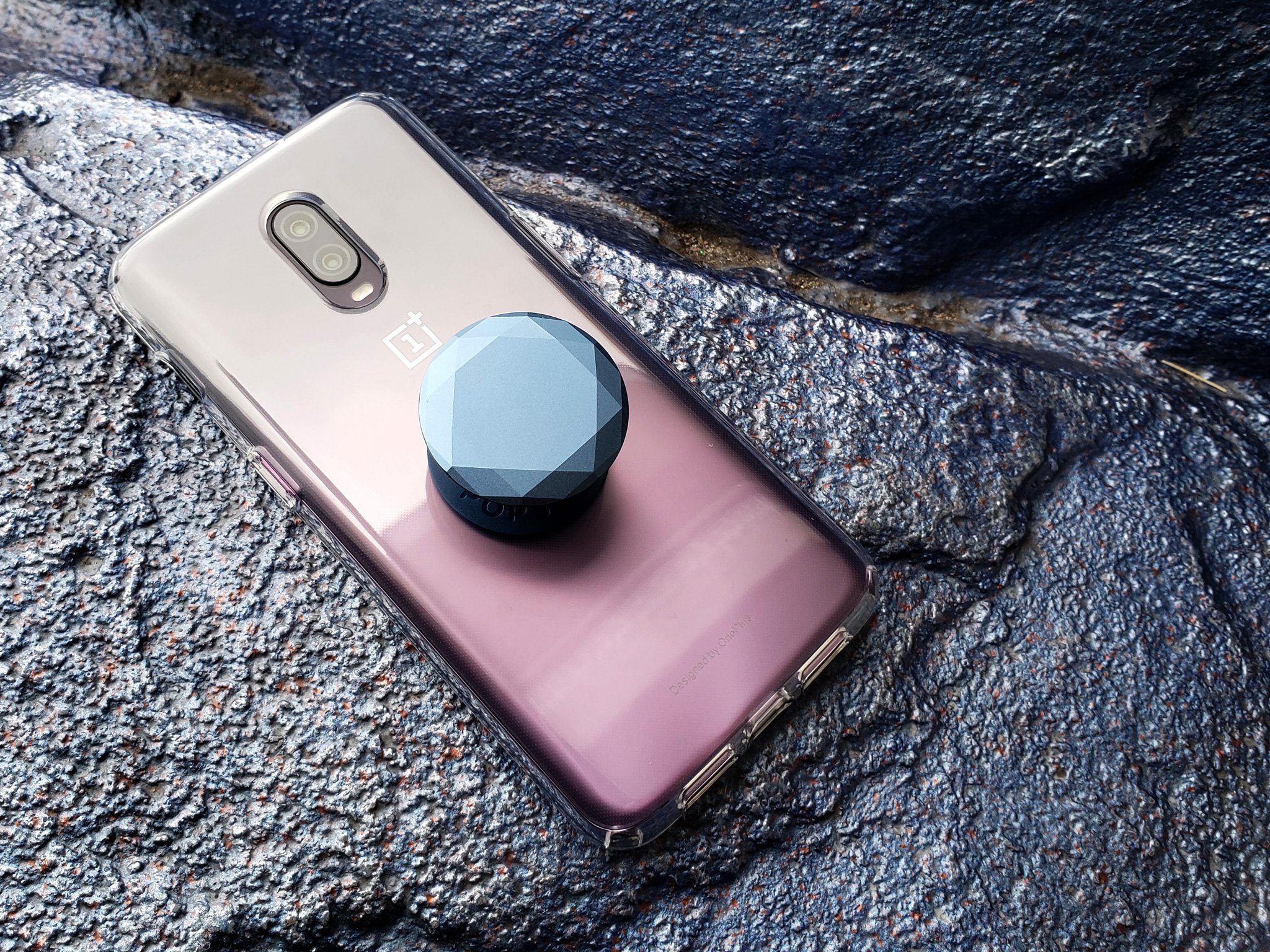
A PopSocket helps solve several common issues:
Better Grip
The expandable design gives users a more secure hold, reducing the risk of accidental drops.
Easier One-Handed Use
Typing, scrolling, and browsing become more comfortable, especially on larger devices.
Reduced Hand Fatigue
Holding large phones for extended periods can strain fingers and wrists. The grip helps distribute weight more naturally.
BUILT-IN PHONE STAND FUNCTIONALITY
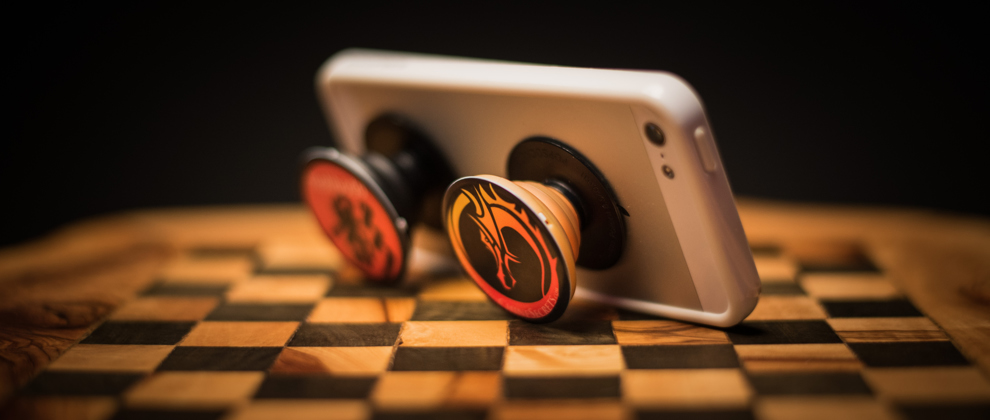
One of the most useful features is the built-in stand capability.
Users can position their phones for:
- Watching videos
- Video calls
- Online classes
- Remote work meetings
- Content streaming
This eliminates the need to carry a separate phone stand.
NEW GENERATION DESIGNS
Recent PopSockets models offer significantly more flexibility than earlier versions.
Popular improvements include:
- Swappable tops
- Magnetic attachment systems
- Wireless charging compatibility
- Enhanced durability
- Slimmer profiles
These upgrades help address limitations found in older generations.
MAGNETIC COMPATIBILITY
Many newer PopSockets are designed to work with magnetic smartphone ecosystems.
Benefits include:
- Easier attachment and removal
- Better compatibility with modern accessories
- Simplified charging workflows
- Improved convenience for daily use
This has helped PopSockets remain relevant despite changing smartphone designs.
CUSTOMIZATION OPTIONS
Customization remains one of the brand’s biggest strengths.
Consumers can choose from:
- Solid colors
- Artistic patterns
- Character-themed designs
- Premium finishes
- Personalized custom graphics
This allows users to add personality to their devices while maintaining functionality.
REAL-WORLD PERFORMANCE
In everyday use, PopSockets perform particularly well for:
Social Media Users
Easier selfie capture and content creation.
Mobile Gamers
Improved grip during extended gaming sessions.
Video Streaming
Convenient hands-free viewing.
Large Smartphone Owners
Better control and reduced drop risk.
The simple design continues to solve practical problems that many smartphone users encounter daily.
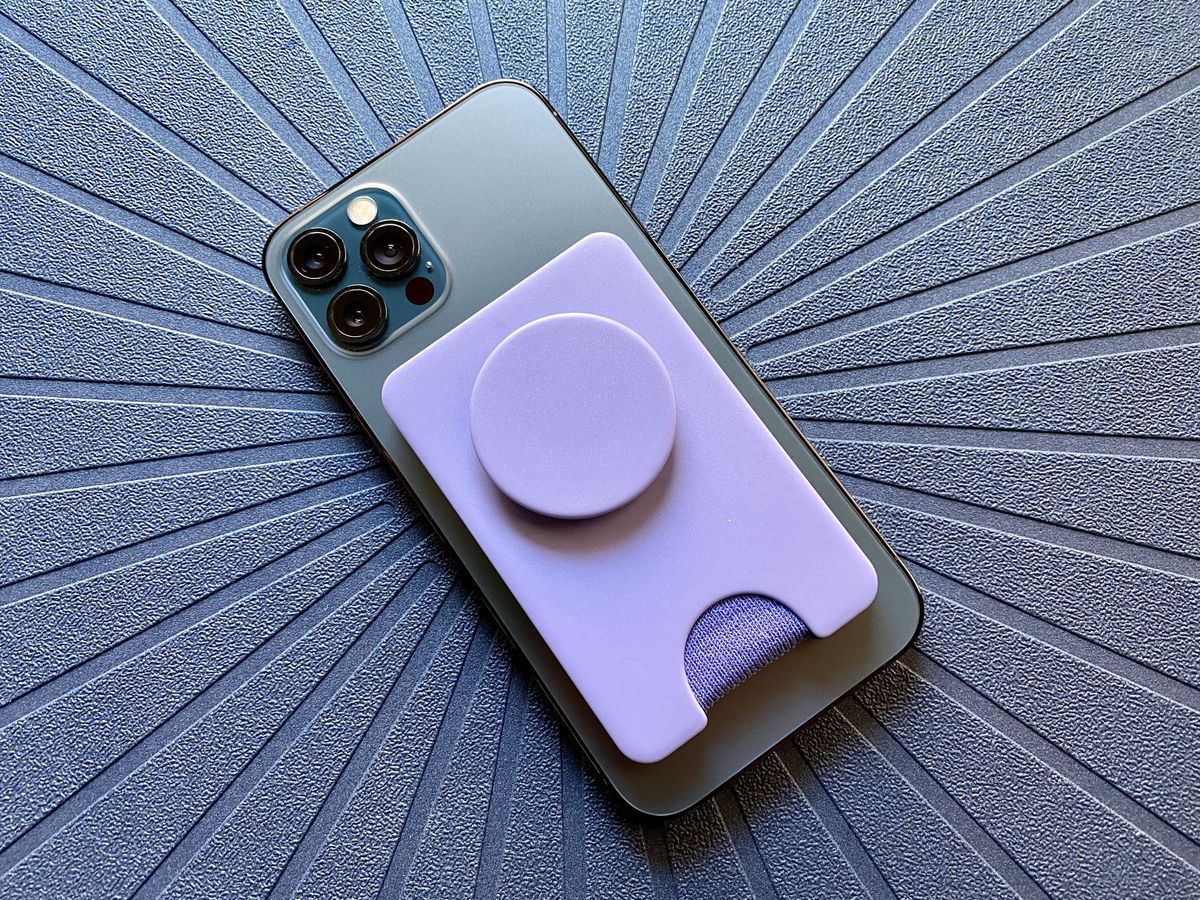
PROS AND CONS
PROS
- Improves phone grip significantly
- Functions as a stand
- Reduces accidental drops
- Supports one-handed operation
- Wide range of customization options
- Compatible with modern smartphone accessories
CONS
- Adds thickness to phones
- May interfere with some mounts
- Requires proper placement for best results
- Not every user likes attached accessories
WHO SHOULD BUY POPSOCKETS?
- Smartphone power users
- Students
- Travelers
- Social media creators
- Anyone using large-screen phones
WHO SHOULD SKIP IT?
You may not need one if you:
- Prefer ultra-minimalist phone setups
- Frequently swap cases
- Rarely use your phone one-handed
- Prefer completely flat device surfaces