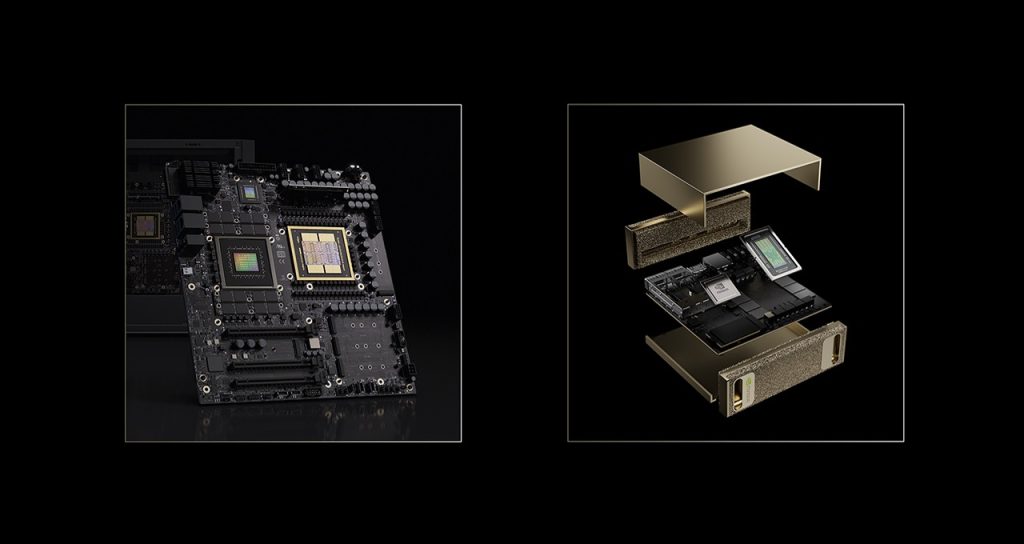
The RTX Spark is an offshoot of the DGX Spark, which powers Linux based compact desktops specifically targeted at developers. The Spark was designed in conjunction with a major chip design company. The chip includes 6,144 CUDA cores, a 20 core Grace CPU, and the ability to access up to 128GB of RAM. Nvidia says it supports up to 120 billion parameter agents with a 1 million token context. The GPU specs are roughly comparable to an RTX 5070, but the unified memory architecture means it has access to much more RAM than the 12GB typically available on a discrete 5070.
The chip’s overall AI performance is one PFLOPS, which is a billion floating point operations per second, based on FP4 calculations. Among consumer system on chips, this is the first to support FP4 in hardware. The real competition for these chips is the M5 Pro and M5 Max MacBook Pros, which target the same users, but those chips do not support FP4 and FP8 data types.
Performance Claims And Expectations
One important thing to remember about Nvidia’s chip is that it is intended for far heavier workloads than Qualcomm’s Snapdragon processors. Those are not meant to render ultralarge 90GB plus 3D scenes, edit 12K video, generate 4K AI videos, run large language models with up to 1 million tokens context using agents locally, and play AAA games at 1440p and over 100 frames per second. All of those activities can tank battery life, and it remains to be seen if the Spark can live up to these claims under normal usage.
Nvidia gave 100 frames per second at 1440p as its reference for gaming performance, though it was not clear whether that was with or without DLSS 4.5 enabled. The chip itself can run at anywhere from single digits to 80 watts, which means you will really need to pay attention to whether a laptop runs at full power or if the manufacturer is throttling it. Typically, mobile processor power envelopes are much smaller bands. This suggests that performance, especially on battery, may vary significantly between different laptop models.
First RTX Spark Laptops And Mini Desktops
This is the first of what Nvidia says it plans to be a line of chips across a variety of price segments. These first models are slated to ship this fall. The initial lineup includes:
- Microsoft Surface Laptop Ultra
- Dell XPS 16
- Asus ProArt P14 and P16
- HP Omnibook X 14 and Omnibook Ultra 16
- Lenovo Yoga Pro 9n
- MSI Prestige N16 Flip AI
There will also be mini desktops from companies such as Acer, Asus, Dell, HP, and Lenovo among others. The RTX Spark models will compete with AMD Ryzen AI Halo based models. Nvidia is planning to have a desktop, laptop, and workstation for each generation of chips.
Microsoft Surface Laptop Ultra Highlights
The 15 inch Surface Laptop Ultra is particularly notable because Microsoft has not updated its screens in far too long, and the Surface devices never incorporated discrete GPUs that their prices seemed to demand. The Ultra has a higher resolution 15 inch mini LED touchscreen that supports HDR with a peak brightness of 2,000 nits. This is a significant upgrade over older models. Microsoft has not updated its Surface Laptop Studio in three years, and this is the chip and screen it needs to bring it back.
Windows Modifications For RTX Spark
Many of the updates to Windows that are necessary to support the hardware are under the hood. Prism, the emulation layer that allows Windows to run on Arm based systems, was originally written specifically for Qualcomm’s chips. Supporting the RTX Spark meant updating Prism and other core parts of Windows to efficiently distribute workloads across CPU cores, balance cooling and performance, address and intelligently manage larger amounts of unified memory available to the GPU for AI processing, and more.
Nvidia has been working with Microsoft to improve compatibility with anti cheat software, which has prevented some games from running on Arm based devices, as well as support for the Xbox app, which is key to Microsoft’s game on everything strategy.
Adobe is also reengineering parts of its imaging engines to tap into the Spark directly. This includes accelerating more GPU and AI intensive features such as rendering complex timelines in Premiere Pro and improving natural brushes in Photoshop. While CUDA and TensorRT already operate on Nvidia’s discrete mobile GPUs, taking optimal advantage of them on this different architecture requires some rejiggering.
OpenShell Security For AI Agents
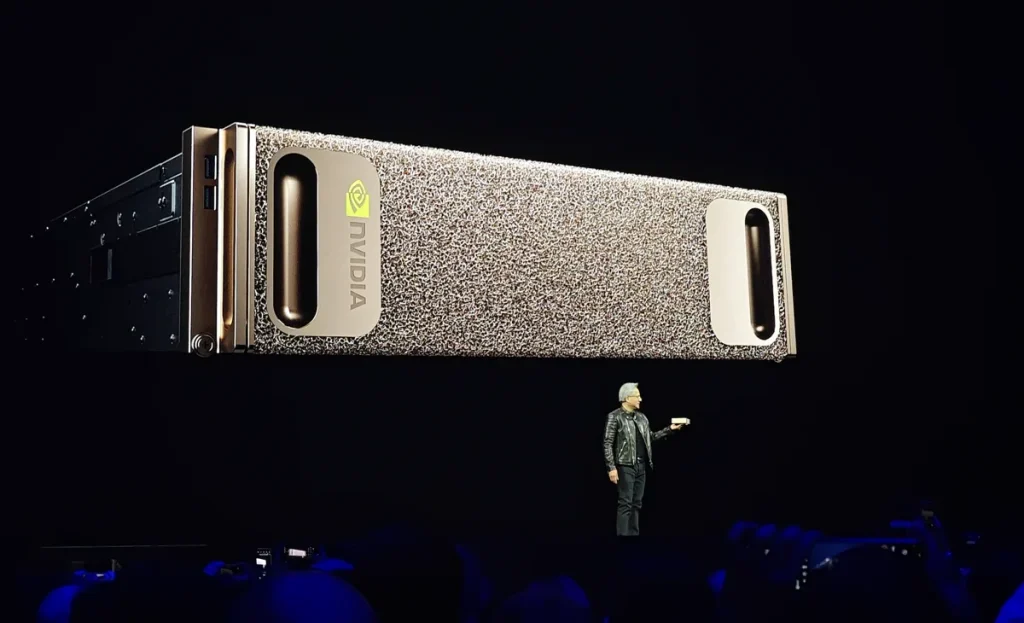
Nvidia is porting OpenShell, its security protocols for running agents, to Windows via new controls. OpenShell lets you define guardrails for your agents, route queries to approved local models based on your privacy policies, and disguise personal information when querying cloud based models. Nvidia is trying to expand everyday agenting beyond developers, with the idea that broad adoption has been limited by the inability to run agents securely and privately on users’ primary PCs. The company says that OpenShell will be incorporated into current agenting platforms.
Pricing And Availability
Given current price volatility, we will not know how much these devices will cost until they are closer to shipping. AI’s ravenous demand for components has created severe shortages of memory, processors, and SSD storage, driving computer and phone prices higher and even affecting available configuration options. The first RTX Spark laptops and mini desktops are slated to ship in fall 2026.
Pros And Cons
Pros
- First Arm based chip to support FP4 calculations in hardware for faster AI processing
- 6,144 CUDA cores and 20 core CPU provide significant processing power
- Unified memory architecture allows access to up to 128GB of RAM
- Claims of 1440p gaming at over 100 frames per second
- Supports running 120 billion parameter LLMs locally
- Major laptop partners including Microsoft, Dell, Asus, HP, Lenovo, and MSI
- Microsoft Surface Laptop Ultra features new 2,000 nit mini LED display
- OpenShell security protocols for running AI agents privately
- Improved Windows compatibility for anti cheat software and Xbox app
- Adobe optimizing creative software for the new architecture
Cons
- Pricing not yet announced due to component shortages and market volatility
- Performance on battery may vary significantly depending on manufacturer throttling
- Power envelope ranges from single digits to 80 watts, creating inconsistency
- Emulation layer still required for x86 applications, potential compatibility issues
- Shipping not until fall 2026, several months away
- Nvidia maintaining strict division between pro and consumer markets
- No certification program for applications mentioned
- Unclear if 100 fps 1440p gaming is with or without DLSS
Frequently Asked Questions (FAQs)
1. What is the Nvidia RTX Spark?
The RTX Spark is a new Arm based system on chip platform that brings Nvidia’s Blackwell architecture to Windows laptops and mini desktops.
2. How does RTX Spark compare to Qualcomm Snapdragon X?
RTX Spark is intended for far heavier workloads including 3D rendering, 12K video editing, 4K AI video generation, and AAA gaming at 1440p. Snapdragon processors are not designed for these tasks.