Fifteen years after introducing ChromeOS and Chromebooks, Google is preparing to launch a new premium laptop line called Googlebooks. These devices run an Android- and Gemini‑based operating system, combining the security and simplicity of ChromeOS with the full universe of Android apps. Unlike Chromebooks, which have an image problem as cheap, plastic school laptops, Googlebooks are designed to be premium devices with high‑end materials, powerful processors and AI features built into the core of the OS. Launch partners include Acer, Asus, Dell, HP and Lenovo. Processors will come from Intel, Qualcomm and MediaTek, supporting both x86 and Arm architectures. The first Googlebooks are expected to arrive in fall 2026, in time for the holiday shopping season. This preview covers the new OS features, AI integrations, hardware partners, and how Googlebooks differ from Chromebooks and Android phones.
Android, Gemini AI And ChromeOS In One Package
Googlebooks are built on the same Android foundation as Google‘s phones. This allows features developed for phones to be brought to laptops much more quickly than was possible with ChromeOS. For example, Circle to Search took roughly a year to make the jump from Android phones to Chromebook Plus laptops. On Googlebooks, new AI features will arrive simultaneously with phones.
Confirmed AI features
- Magic Pointer: Shake your cursor over an image, and the system surfaces contextual AI suggestions for actions you might want to take (e.g., edit, share, search). Shake over an email with event details, and it may suggest adding the information directly to your calendar.
- Create Your Widget: A feature recently announced for Android phones that lets you quickly generate custom widgets. It will be available on Googlebooks at launch.
Alexander Kuscher, Google‘s senior director for laptops and tablets, described Googlebooks as “no‑compromise” laptops designed for anyone with an Android phone. The experience between devices should feel seamless rather than bolted on. Because the OS is based on Android, it is familiar to phone users. The interface expands that familiarity to a laptop form factor.
Googlebooks Vs Chromebooks

| Aspect | Googlebooks | Chromebooks |
|---|---|---|
| Operating System | Android‑based with Gemini AI | ChromeOS |
| App Ecosystem | Full Android app store (Google Play) | Android apps (via Play Store, but compatibility varies) |
| AI Features | Built into core OS (Magic Pointer, Create Your Widget) | Added via ChromeOS updates (often delayed) |
| Target Market | Premium, Android phone owners | Education, budget‑conscious, enterprise |
| Build Quality | Premium materials, subtle branding | Varies (budget plastic to premium metal) |
| Processor Support | Intel, Qualcomm, MediaTek (x86 and Arm) | Intel, AMD, MediaTek, Qualcomm |
| Price Range | Premium (likely 800‑1,500 USD) | 200‑800 USD (Chromebook Plus up to 700 USD) |
| Launch | Fall 2026 | Available now |
Chromebooks are not dead. They will continue to coexist with Googlebooks, especially in the education market where millions of students use them daily. Chromebooks have 10 years of support, and Google is not ending that. However, ChromeOS development may slow over time, with higher‑end Chromebook Plus models eventually transitioning to the new operating system.
Hardware Partners And Processors
Google confirmed launch partners including Acer, Asus, Dell, HP and Lenovo. The laptops will be available in a variety of shapes and sizes. The OS is meant to work with more than just clamshell laptops, so you can expect 2‑in‑1 convertibles, detachables and possibly tablets.
Processors
- Intel (x86)
- Qualcomm (Arm, Snapdragon series)
- MediaTek (Arm, Kompanio series)
Unlike early Chromebooks, which were limited to low‑power Arm chips, Googlebooks will offer a range of performance tiers. Premium models with Intel Core Ultra or Snapdragon X Elite chips are expected to compete with MacBook Air, Dell XPS and Microsoft Surface devices.

Design And Branding
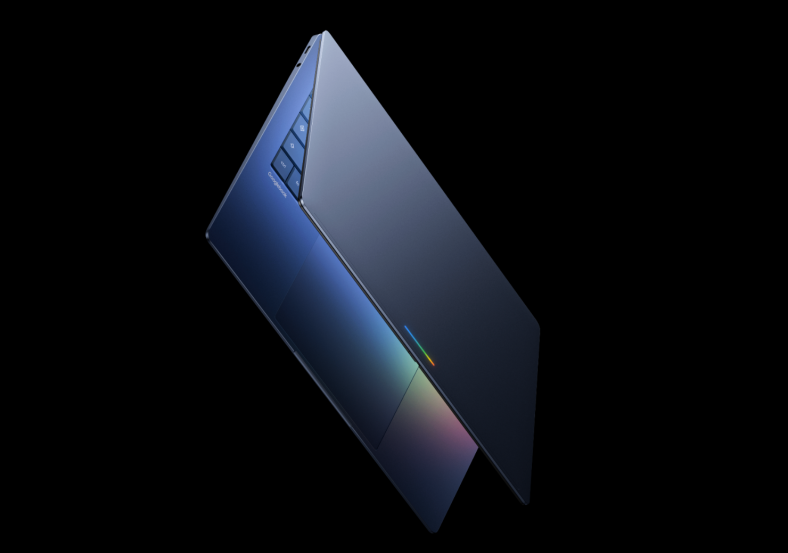
Googlebooks are designed to change the perception of Google‘s laptop efforts. Unlike Chromebooks, which often have large, overt Google branding on the lid, Googlebooks have a subtle glowbar visible only when the device is open. There is no obvious Google logo on the outside. The build quality is meant to be on par with higher‑end products from Apple, Dell and HP.
Kuscher emphasised durability: “It should be of a build quality that you come to expect from higher‑end products, but also premium in terms of durability so that it lasts you and that it‘s an investment that you make and that you know is going to be making you happy for quite a while.”
What Is The Operating System Called?
Google has not announced the public‑facing name for the OS. The internal codename was “Aluminium,” but Kuscher confirmed that this was never intended to be the final brand. The OS is Android‑based, but it is not simply Android for laptops. It has a desktop interface, window management, keyboard and mouse support, and built‑in security features inherited from ChromeOS. It may be called Googlebooks OS, Android Desktop or something else entirely. More details are expected closer to the fall 2026 launch.
Frequently Asked Questions (FAQs)
When will Googlebooks be available?
The first Googlebooks are expected to launch in fall 2026, in time for the holiday shopping season. Specific dates and pricing have not been announced.
How much will Googlebooks cost?
Pricing has not been announced. Given the premium positioning and high‑end components, expect prices starting around 800‑1,000 USD, with higher‑end configurations reaching 1,500 USD or more. This is significantly more expensive than most Chromebooks, which start at 200‑300 USD.