Flock Safety is setting up cameras and drones across the country. Some cities are fighting back against the AI surveillance. One city, Bend, Oregon, ended its contract with Flock earlier this year after a public campaign protesting the cameras and active city council meetings. Flock’s controversial AI powered license plate cameras were shut down, and its partnership with local law enforcement ended over privacy concerns. In the past two years, dozens of towns have suspended or deactivated contracts with Flock over concerns about how the cameras could be used, as well as weak contract language.
What Flock Safety Does
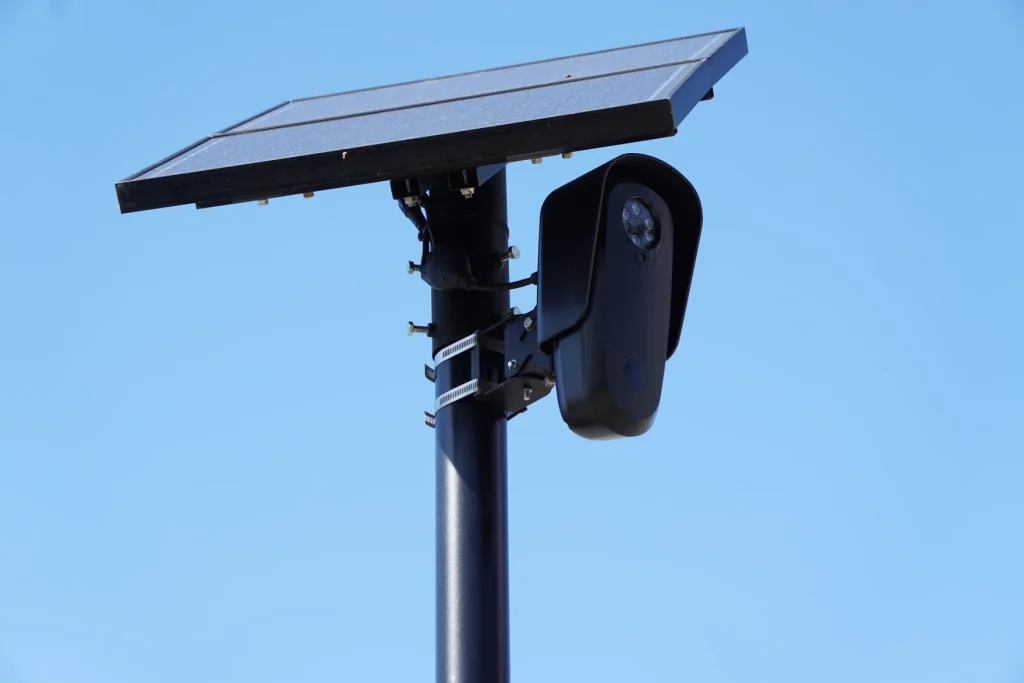
If you hear that Flock is setting up near you, it usually means the installation of automated license plate reader cameras, or ALPRs, to capture license plate photos and monitor cars on the street. Flock signs contracts with city governments, law enforcement departments, and even neighborhood HOAs. When Flock secures a contract, the company installs cameras at strategic locations. The company says its surveillance system is intended to reduce crime including property crimes like mail theft, home invasions, vandalism, and burglary, as well as violent crimes.
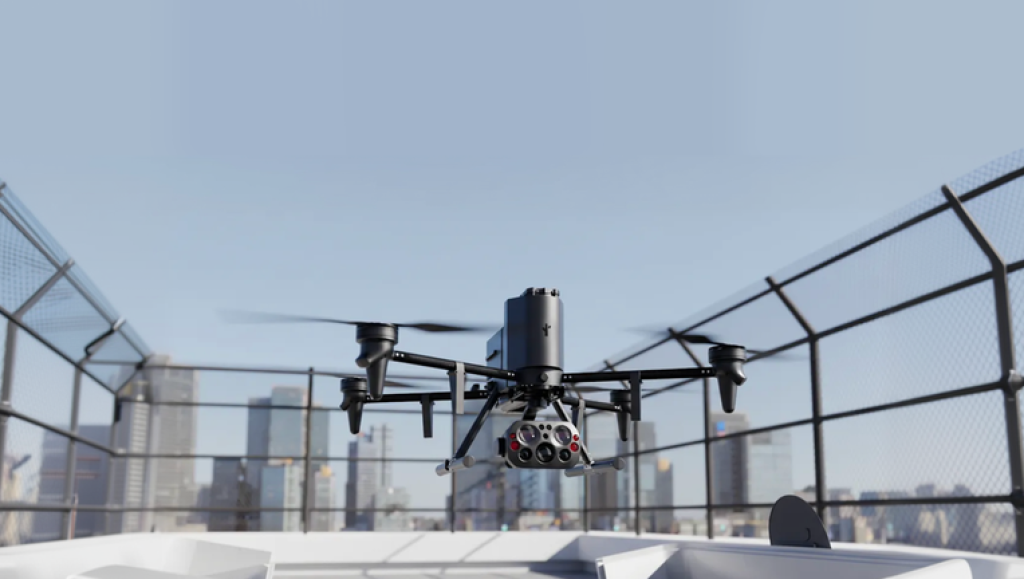
Flock has recently expanded into other technologies, including advanced cameras that monitor more than just vehicles. Flock’s Drone as First Responder platform automates drone operations, launching them in response to 911 calls or gunfire. Flock’s drones can reach speeds up to 60 mph and can follow vehicles or people to provide information to law enforcement.
How Flock Uses Technology To Identify Cars And People
Flock states that its standard license plate cameras cannot technically track vehicles, but only take a point in time image of a car to nab the license plate. However, due to AI video and image search, local law enforcement can use these tools to piece together license information and form their own timeline of where and when a vehicle went. Flock’s machine learning can also note details like a vehicle’s body type, color, roof racks, paint colors, and what you have stored in the back.
A Flock spokesperson confirmed that the company does not use facial recognition. However, Flock has an investigative tool called Freeform that lets users use natural language prompts to find investigative leads, including descriptions of what a person may be wearing. With Flock drones, these intelligent searches become even more complete, allowing cameras to track where cars are going and identify people.
Unlike personal security options, there is no easy way to opt out of this kind of surveillance. You cannot turn off a feature, cancel a subscription, or throw away a device to avoid it.
Data Collection And Storage
Flock states that it stores data for 30 days on cloud storage and then deletes it. All images and related data are encrypted from on device storage to cloud storage. When Flock collects criminal justice information, it is only available to official government agencies, not entities like HOAs. However, Flock’s customers own their data and control access to it. Once end users access that data, Flock’s own privacy measures do not help much. This raises concerns about the security of local law enforcement systems.
Abuse Of Flock Data By Police
Since Flock began partnering with law enforcement, a growing number of officers have been found abusing the surveillance system. In one instance, a police chief used Flock cameras 164 times while tracking an ex. In another case, a sheriff lied about using Flock to track a missing person but was later found to be investigating a possible abortion. In Georgia, a police chief was arrested for using Flock to stalk and harass citizens. In Virginia, a man discovered that Flock cameras had been used to track him 526 times, about four times per day.
Flock has an auditing tool that records every search that a user conducts. This tool led to the arrest of the police chief in Georgia. However, reports indicate that many authorities start searches with vague terms like investigation, crime, or immigration terms to gain access to as much data as possible.
Flock And ICE Data Sharing
Flock states that it has not shared data or partnered with ICE since terminating pilot programs in August 2025. However, local police collaborate with federal agencies, with or without Flock technology. Many police departments have been creating Flock searches with reasons listed as immigration, ICE, or ICE warrant. Additionally, some police departments conduct Flock searches on behalf of ICE and the FBI via simple email threads.
State Laws Limiting Flock And Police
A growing number of state laws have been passed or proposed to address Flock Safety and license plate readers. The most effective laws fall into two categories. The first requires any collected ALPR data to be deleted within a certain time frame. New Hampshire has a 3 minute rule. Some states have adopted 21 day limits, which is considered the outermost acceptable limit.
The second type of law makes it illegal to share ALPR data outside the state with agencies like ICE. States like Virginia, Illinois, and California have passed such laws. Vermont requires a strict approval process for ALPRs, leaving no law enforcement agency in the state using license cameras.
What Individuals Can Do
Individuals cannot do much to avoid Flock surveillance without bans or legislation. Covering your license plate is illegal. Minor changes include taking public transportation with cash or getting a ride from a friend when traveling to sensitive locations. The first step is being aware of which cameras your city is installing and which software partnerships your local law enforcement has. Attend open city council meetings. Track legislation your state is considering. Contact state senators and representatives to encourage laws that block data sharing out of state and require police to delete surveillance data quickly.
Pros And Cons
Pros
- Flock states that data is encrypted and deleted after 30 days
- Auditing tools record every search conducted by users
- The technology has helped solve property and violent crimes according to the company
- Flock does not use facial recognition
- Drone flight paths are logged in public flight dashboards
- Some states have passed strict laws limiting ALPR data retention and sharing
Cons
- Police have abused the system to track exes, stalk citizens, and investigate abortions
- Flock data is frequently shared with ICE despite company denials
- No easy way to opt out of surveillance
- Vague search terms allow police to access data without proper justification
- Local law enforcement systems have varying data security and accountability practices
- 75 percent of Flock’s law enforcement customers use the National Lookup Tool, enabling nationwide data sharing
- Over 45 cities have canceled Flock contracts amid public outcry
Frequently Asked Questions (FAQs)
1. What does Flock Safety do?
Flock Safety installs automated license plate reader cameras and drones that monitor vehicles and people for law enforcement and private entities.
2. How long does Flock store data?
Flock states that it stores data for 30 days on cloud storage and then deletes it.
3. Does Flock share data with ICE?
Flock says it has not partnered with ICE since August 2025, but local police departments frequently share Flock data with ICE on their own.
4. Has Flock been abused by police?
Yes. Police have used Flock cameras to track exes, stalk citizens, investigate abortions, and more.
5. Can I opt out of Flock surveillance?
No. There is no easy way to opt out. Covering your license plate is illegal.
6. What laws regulate Flock cameras?
Some states require data deletion within days or minutes. Others prohibit sharing data outside the state. Vermont has essentially banned ALPRs.