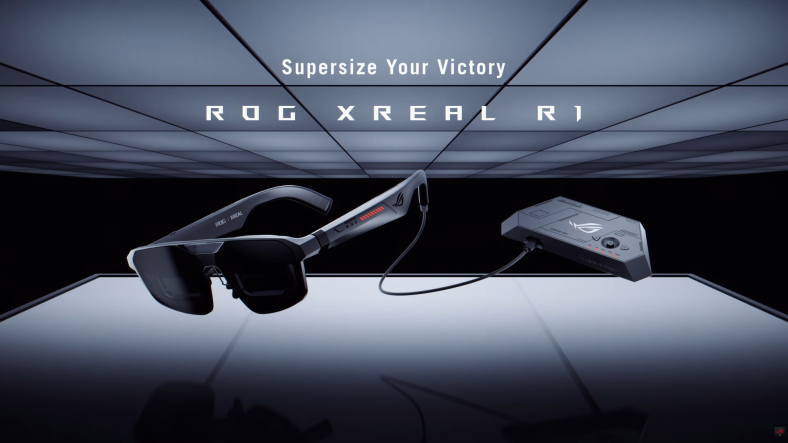
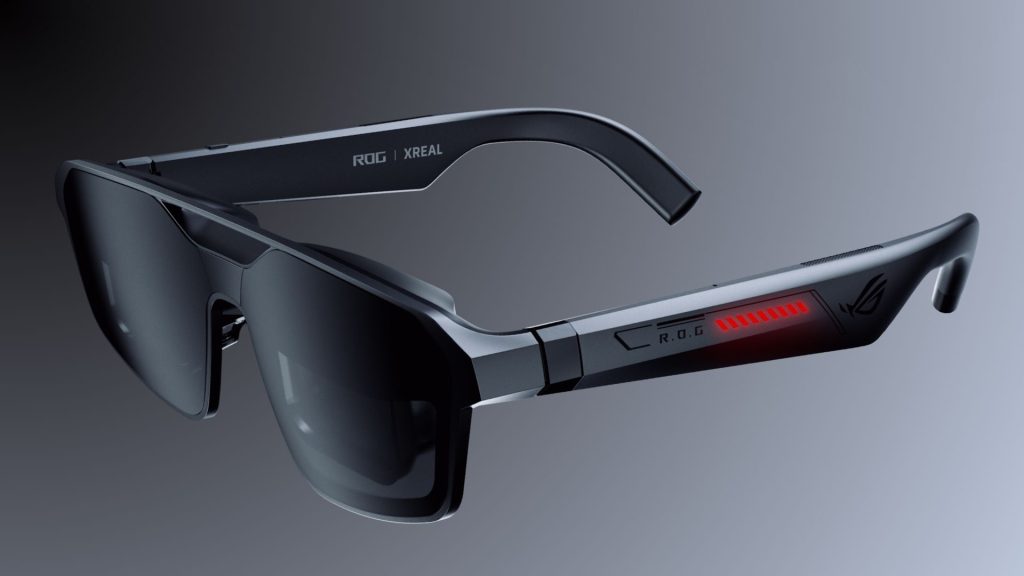
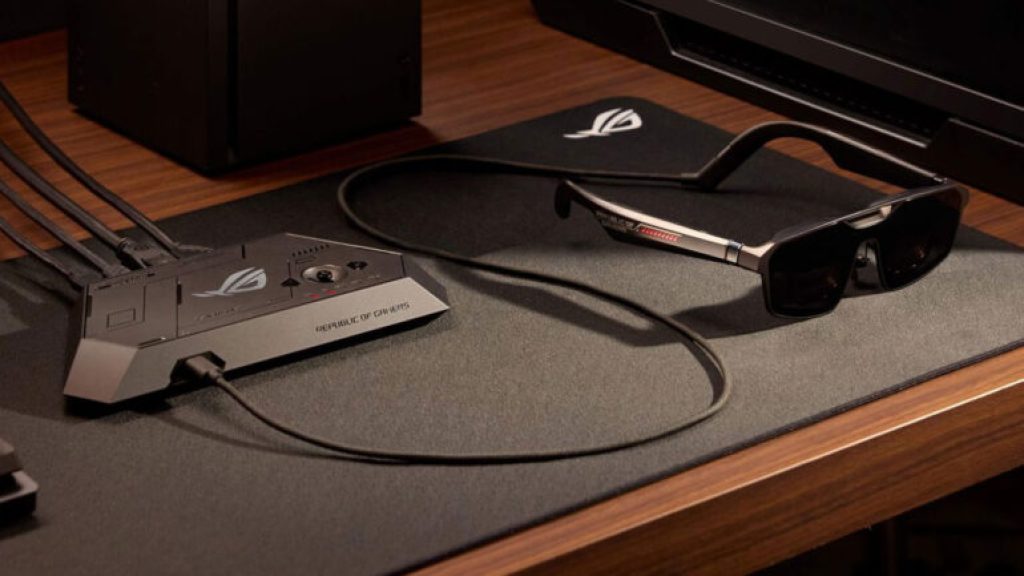
Asus and Xreal have collaborated on the ROG Xreal R1, a pair of gaming display glasses. They feature 240Hz refresh rate micro‑OLED displays, a 57‑degree field of view, electrochromic dimming lenses and Bose‑powered audio. The glasses come with the ROG Control Dock, which includes two HDMI 2 ports and a DisplayPort 1.4 port, allowing you to switch between a PC and multiple game consoles while wearing the glasses. Preorders are open now, with shipping expected in June 2026. The price is 849 USD. This review covers the key specifications, how the 240Hz refresh rate compares to competitors, the included dock, and whether the premium price is justified.
Key Specifications Of The ROG Xreal R1
The table below summarises the core specifications based on the CNET review and product announcements.
| Feature | Specification |
|---|---|
| Display Type | Micro‑OLED |
| Resolution | 1,920 x 1,080 pixels per eye |
| Refresh Rate | 240Hz |
| Field of View | 57 degrees |
| Brightness | Up to 700 nits |
| Lens Technology | Electrochromic dimming (adjustable tint) |
| Anti‑Glare | Yes (flatter inner lenses) |
| Audio | Bose‑powered speakers |
| Head Tracking | Yes (virtual monitor pinning) |
| Connection | Wired (via ROG Control Dock) |
| Dock Ports | 2x HDMI 2, 1x DisplayPort 1.4 |
| Console Switching | Yes (dock allows switching between PC, PlayStation, Xbox) |
| Software | Xreal app (for settings and updates) |
| Weight | Not specified (similar to Xreal One Pro) |
| Color | Black and silver (ROG branding) |
| Price | 849 USD |
| Availability | Preorder now, shipping June 2026 |
The glasses do not have an internal battery. They must be plugged into the dock or directly into a compatible device via USB‑C.
240Hz Refresh Rate: The Headline Feature
The ROG Xreal R1 has a 240Hz refresh rate, which is double the 120Hz refresh rate of most competing display glasses, including Xreal‘s own One Pro and the Viture Beast. A higher refresh rate reduces motion blur and input lag, making the glasses more suitable for fast‑paced competitive games such as first‑person shooters, racing simulators and fighting games.
To achieve the 240Hz refresh rate, you must use the glasses with the included ROG Control Dock. The dock supports HDMI 2 and DisplayPort 1.4 inputs. When connected directly to a device via USB‑C, the glasses may be limited to a lower refresh rate (likely 120Hz or 60Hz).
ROG Control Dock: Console Switching Hub
The dock is the main differentiator between the ROG R1 and other Xreal glasses. It has two HDMI 2 ports and one DisplayPort 1.4 port. You can connect a PC, a PlayStation 5, an Xbox Series X and a Nintendo Switch simultaneously. The dock allows you to switch between inputs without unplugging cables or removing the glasses.
The dock also provides power to the glasses, so the glasses do not drain your laptop or phone battery when plugged in. The dock requires its own power supply (included).
Design And Comfort
The ROG Xreal R1 have a black and silver design with ROG branding. The aesthetic is more aggressive than Xreal‘s standard One Pro glasses, with glowing accents (likely RGB). The glasses are intended for gaming use, not for discreet wear in public.
The inner lenses are flatter and more anti‑glare than previous Xreal models, which reduces reflections from your eyes. The glasses use Bose‑powered speakers, which provide better bass and volume than standard built‑in speakers. There is no headphone jack; audio is via the speakers or Bluetooth headphones connected to the source device.
ROG Xreal R1 Vs Xreal One Pro Vs Viture Beast
| Aspect | ROG Xreal R1 | Xreal One Pro | Viture Beast |
|---|---|---|---|
| Refresh Rate | 240Hz | 120Hz | 120Hz |
| Resolution | 1920×1080 | 1920×1080 | 1920×1200 |
| Field of View | 57 degrees | 57 degrees | 55 degrees |
| Brightness | 700 nits | 700 nits | 800 nits |
| Electrochromic Dimming | Yes | Yes | No (magnetic lenses) |
| Head Tracking | Yes | Yes | Yes |
| Audio | Bose‑powered | Bose‑powered | Standard |
| Included Dock | Yes (console switching) | No (sold separately) | No |
| Price | 849 USD | 599 USD | 549 USD |
| Best For | 240Hz gaming, console switching | General use, lower price | Higher resolution, brighter display |
The ROG R1 is significantly more expensive than both the One Pro and the Viture Beast. The 240Hz refresh rate and the included console‑switching dock justify some of the price difference, but you are paying a premium for features that most casual gamers may not need.
Pros And Cons Of The ROG Xreal R1
Pros
- 240Hz refresh rate is double that of competing display glasses.
- ROG Control Dock allows switching between PC, PlayStation, Xbox and Switch.
- Electrochromic dimming lenses adjust tint for different lighting conditions.
- Bose‑powered audio provides better sound than most built‑in speakers.
- Head tracking allows virtual monitor pinning (screen stays in place when you turn your head).
- Flatter inner lenses reduce glare and reflections.
- Preorder now, shipping in June 2026.
Cons
- Very expensive at 849 USD (250 USD more than Xreal One Pro).
- Resolution is only 1080p (1,920 x 1,080), lower than Viture Beast‘s 1,920 x 1,200.
- Brightness is only 700 nits (Viture Beast is 800 nits).
- Field of view is 57 degrees, which is narrower than upcoming Project Aura (70 degrees).
- Requires the dock to achieve 240Hz refresh rate (direct USB‑C connection may be limited).
- Glasses are wired and must be plugged into the dock or a device.
- Gamer aesthetic may not appeal to non‑gaming users.
- No built‑in battery; relies on external power.
Frequently Asked Questions (FAQs)
When will the ROG Xreal R1 ship?
Preorders are open now, and shipping is expected in June 2026. The exact date depends on your region and retailer.
Do I need the dock to use the glasses?
You can use the glasses without the dock by connecting them directly to a USB‑C device that supports DisplayPort Alt Mode (such as a laptop, tablet or phone). However, the 240Hz refresh rate is only available when using the dock. Direct connections may be limited to 120Hz or 60Hz.