The Apple Vision Pro running visionOS in 2026 continues to represent one of the most ambitious attempts at mainstream mixed reality computing. However, despite strong hardware capabilities and a refined software ecosystem, many users and analysts expected more significant progress in usability, affordability, and ecosystem expansion during the latest software updates.
This review focuses on where visionOS still underdelivers, what opportunities were missed, and whether Apple Vision Pro remains a practical purchase in 2026.
QUICK VERDICT
Apple Vision Pro is best for users who want:
- Premium mixed reality computing experience
- Advanced spatial interface and virtual workspace
- High-end media consumption in immersive environments
- Early adoption of next-generation computing
However, it still falls short in:
- Everyday practicality and comfort
- Affordable pricing accessibility
- Strong mainstream software ecosystem
- Long-duration usability for average users
WHAT APPLE VISION PRO AND VISIONOS ARE TRYING TO SOLVE
The Vision Pro with visionOS aims to replace traditional screens with a spatial computing environment, where digital content exists in real-world space.
Core goals include:
- Replacing physical monitors with virtual displays
- Creating immersive entertainment environments
- Enabling hands-free productivity workflows
- Introducing a new computing paradigm beyond screens
While the concept is strong, real-world adoption remains limited.
KEY MISSED OPPORTUNITIES IN 2026
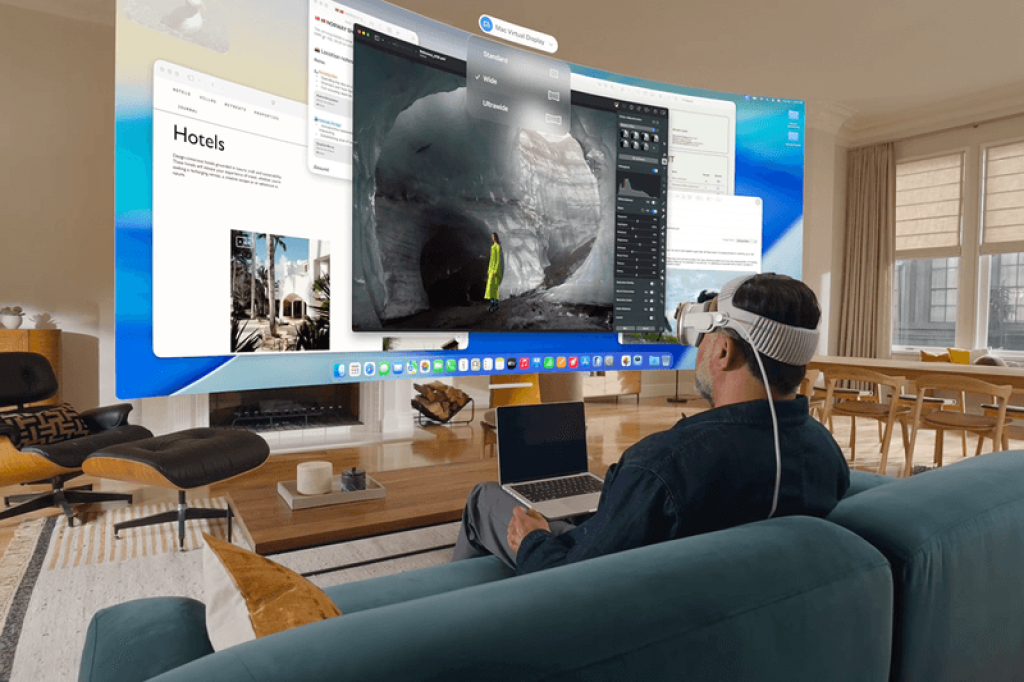
1. LIMITED EVERYDAY USE CASE EXPANSION
One of the biggest gaps is the lack of practical daily applications.
While demo experiences are impressive, users still struggle with:
- Limited productivity app optimization
- Lack of essential mainstream workflows
- Minimal third-party spatial app innovation
The ecosystem still feels early-stage.
2. COMFORT AND LONG-TERM WEAR LIMITATIONS
Despite hardware refinements, long-term comfort remains a concern.
Users report:
- Fatigue during extended sessions
- Pressure from headset weight distribution
- Limited usability for full workdays
This restricts real-world adoption beyond short sessions.
3. PRICE VS VALUE GAP
The high entry cost continues to be a major barrier.
In 2026, the value proposition is still questioned because:
- Productivity gains do not fully justify cost
- Entertainment use is still niche
- Competitors offer cheaper AR/VR alternatives
4. ECOSYSTEM GROWTH IS STILL SLOW
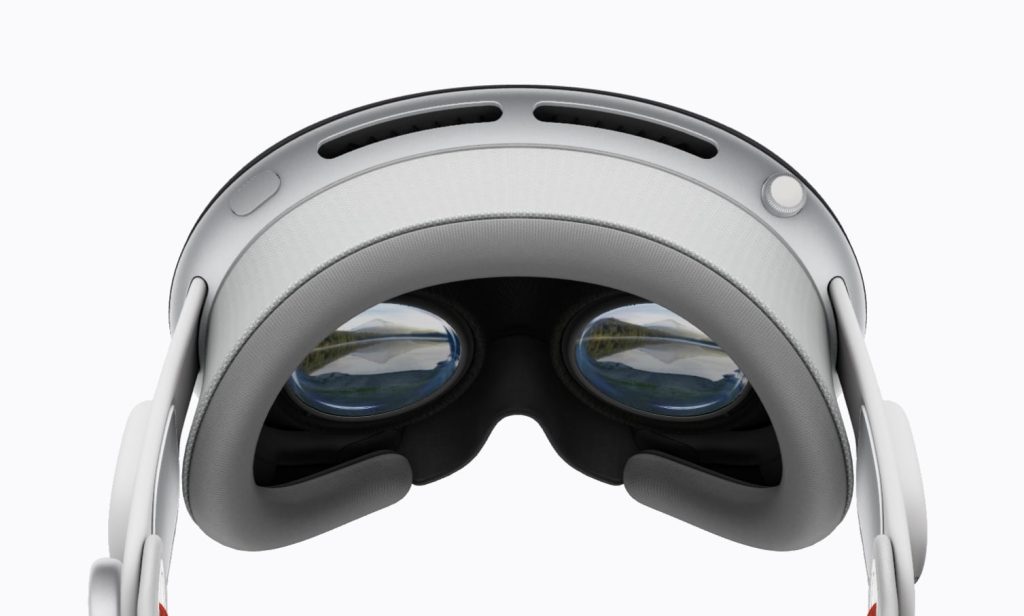
visionOS has improved, but app ecosystem expansion is slower than expected.
Challenges include:
- Limited native spatial applications
- Slow developer adoption outside early adopters
- Lack of “must-have” killer apps
5. MULTI-USER AND SHARING LIMITATIONS
Unlike traditional devices, Vision Pro still lacks:
- Seamless multi-user switching
- Shared household usability
- Flexible collaboration workflows
This limits it as a shared device.
PERFORMANCE & USER EXPERIENCE
In real-world usage, Apple Vision Pro still excels in:
- High-quality immersive video playback
- Smooth interface responsiveness
- Advanced spatial UI design
- Premium hardware integration
However, weaknesses include:
- Limited real-world productivity adoption
- Short usage sessions preferred over long work periods
- Dependency on controlled environments for best experience
PROS AND CONS
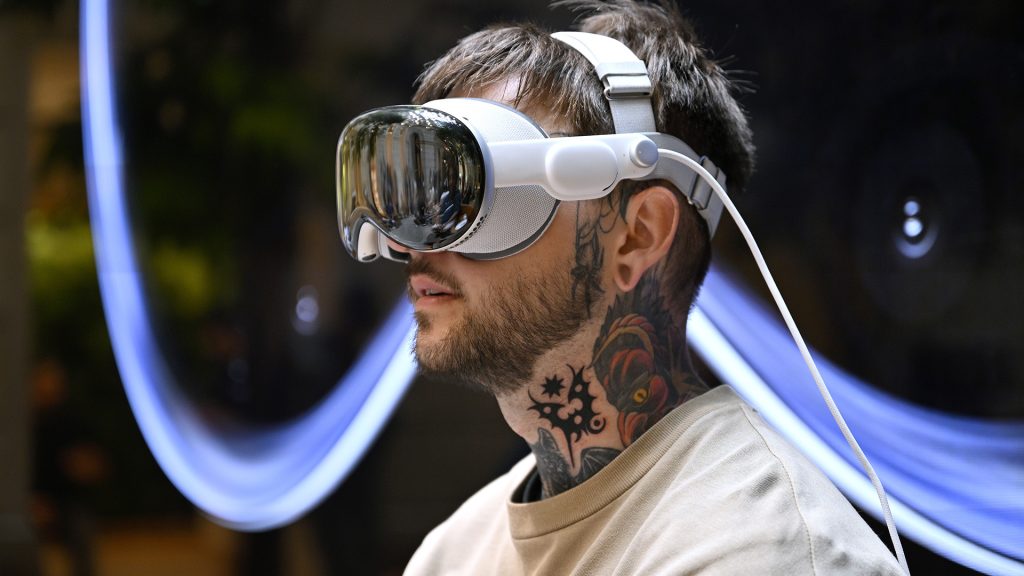
PROS
- Industry-leading mixed reality display quality
- Smooth and responsive visionOS interface
- Strong media immersion experience
- Innovative spatial computing concepts
- Premium hardware execution
CONS
- Extremely high cost barrier
- Limited everyday practical use cases
- Comfort issues for long sessions
- Slower-than-expected app ecosystem growth
WHO SHOULD BUY APPLE VISION PRO IN 2026?
This device is best suited for:
- Early adopters of spatial computing
- Developers building AR/VR applications
- Media and immersive content enthusiasts
- Professionals exploring future UI systems
WHO SHOULD AVOID IT?
You should avoid it if you:
- Need a practical daily productivity device
- Want long-term comfort for work usage
- Are sensitive to high upfront investment
- Expect a mature app ecosystem
FINAL VERDICT
The Apple Vision Pro with visionOS in 2026 remains one of the most technologically advanced mixed reality systems available, but it is still positioned more as a future-focused innovation platform than a mainstream computing replacement.
While it delivers impressive immersive experiences, it continues to face challenges in practicality, ecosystem maturity, and everyday usability.
👉 In short: it is a glimpse into the future of computing—but not yet the everyday computer for most users.