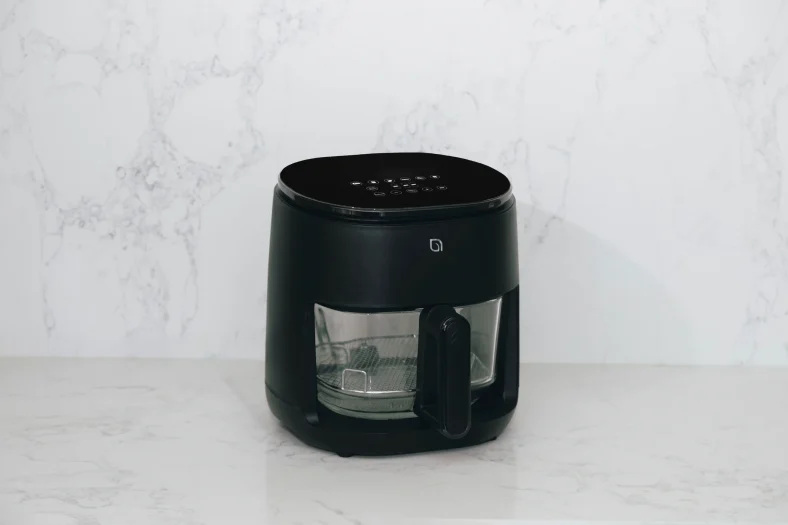
Registered dietitians recommend air fryer cooking because it uses dramatically less oil than traditional frying while still delivering crispy texture. The convection system circulates hot air, allowing food to crisp without deep frying. Dietitians share five go to air fryer recipes: salmon, veggie chips, air fried chicken, whole roasted vegetables and sweet potato fries. They also provide tips on oil use, temperature settings and avoiding overcrowding. This review covers the recipes, nutritional benefits and expert advice.
1. Salmon
Jessica McAllister, a military and tactical performance registered dietitian, says salmon is the best healthy air fryer food. It is packed with high quality protein, heart healthy omega 3 fats, vitamin D, B12 and selenium. Salmon promotes muscle repair and energy, reduces inflammation and supports brain and heart health.
Recipe:
- Brush salmon fillets lightly with olive oil or add a simple spice blend.
- Cook at 400 degrees Fahrenheit for 7 to 10 minutes (depending on thickness).
- Do not overcrowd the basket so air can circulate.
- Keep the skin on for extra healthy fat (omega 3s) and crispiness.
- To reheat: 350 degrees Fahrenheit for 5 to 7 minutes.
2. Crispy Veggie Chips
Amy Chow, registered dietitian, recommends veggie chips because they are easy, quick and can be added to a meal or eaten as a snack. Suggested vegetables: sweet potatoes, carrots, zucchini, kale, cauliflower or broccoli.
Pro tip: Cover broccoli with foil as it can burn easily.
Sweet potato chips recipe:
- Scrub sweet potato skin under cold running water.
- With skin on, thinly slice into 1/16 inch thick pieces.
- Toss with one teaspoon of olive oil and a pinch of salt (add spices like chili powder or cumin).
- Arrange slices in a single layer with no overlap.
- Cook at 375 degrees Fahrenheit for about 8 minutes, shaking basket halfway through.
- Let cool to crisp up before eating.
Oil tip: A light coating of olive oil or avocado oil helps with browning and texture. Too much oil makes food soggy and greasy. Using parchment paper or a liner can absorb excess oil and prevent sticking.
3. Air Fried Chicken
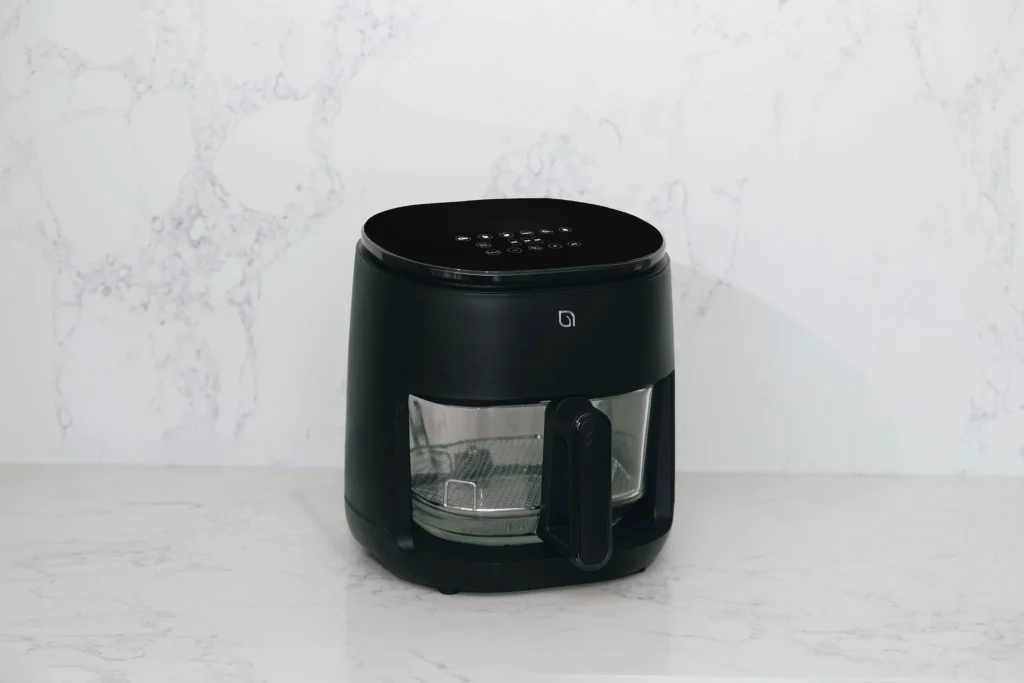
Yvette Hill, lifestyle medicine dietitian nutritionist, advocates for air frying chicken as a healthier alternative to traditional fried chicken. No breading required, and the air fryer reduces fat by allowing excess to drip into the collecting tray.
Recipe:
- Dry rub chicken wings with your spice blend of choice.
- Add a small amount of olive oil.
- Without overcrowding, air fry at 400 degrees Fahrenheit for 16 to 22 minutes.
- Flip halfway through for extra crispiness.
4. Whole Vegetables You Would Normally Roast Or Steam
If slicing veggies for chips is too much work, use the air fryer to cook whole vegetables you would normally roast or steam. Examples: Brussels sprouts, cauliflower, broccoli, potatoes, carrots, squash, plantains, beets.
Gabriella Nowicki, registered dietitian nutritionist, says:
- Vegetables with moderate starch (potatoes, carrots, squash, plantains, beets) roast well.
- A small amount of oil combined with a light dusting of cornstarch achieves a crispy exterior.
- Dense starchy vegetables may require more time than lighter veggies like broccoli or green beans.
- Play around with temperature and time to find the perfect crispiness.
Registered dietitian Jaeger adds:
- Air frying makes veggies more enjoyable, which helps people who fall short of daily fiber needs.
- Lightly toss in oil and your favorite seasoning blend.
5. Sweet Potato Fries
Yvette Hill says air frying helps retain more nutrients in sweet potatoes compared to boiling (which can cause loss of water soluble vitamins like B vitamins and vitamin C).
Recipe:
- Wash and dry potatoes. Cut into 1/4 inch thick pieces lengthwise.
- Keep skin on for crispiness.
- Add olive oil, rosemary and a pinch of salt.
- Arrange in a single layer in the basket.
- Air fry at 390 degrees Fahrenheit for 20 minutes.
Why Air Frying Is Healthier Than Deep Frying
Gabriella Nowicki explains the primary concerns with traditional frying:
- Most fried foods are coated in batter or breading, increasing carbohydrate and calorie content before the food touches the oil.
- Once submerged, the breading absorbs significant amounts of fat, raising calorie density.
- Many commercial frying oils are high in omega 6 fatty acids, which can promote inflammation when consumed in excess.
- Heating oil repeatedly generates potentially toxic oxidation byproducts and, in some cases, trans fats (linked to cardiovascular health risks).
Air frying takes the excess breading and oil out of the equation, making it healthier.
3 Air Fryer Tips From Registered Dietitians
Don‘t overcrowd the basket
- Air fryers are designed for best results when the basket is not overcrowded.
- Cook in a single layer.
- Consider batch cooking or shaking the basket to ensure middle layer foods don‘t become soggy.
Use only a light coating of oil
- Use avocado oil or canola oil for temperatures over 425 degrees Fahrenheit to reduce oxidation.
- Too much oil makes food soggy and greasy.
Shake the basket
- Shake halfway through the cooking process to ensure even cooking and crispiness.
Pros And Cons Of Air Frying
Pros
- Uses dramatically less oil than deep frying.
- Reduces fat content (excess fat drips into collecting tray).
- Retains more nutrients in vegetables compared to boiling.
- No breading required for chicken or vegetables.
- Crispy texture without deep frying.
- Faster than oven roasting.
- Dietitian approved recipes.
Cons
- Requires monitoring cook times (salmon can overcook easily).
- Dense vegetables take longer than lighter ones.
- Overcrowding leads to soggy results.
- Broccoli can burn easily (cover with foil).
- Some nutrients may still be lost compared to raw or steaming.
Frequently Asked Questions (FAQs)
Is air fried food healthy?
Yes. Air frying uses dramatically less oil than deep frying. It reduces fat and calorie content while still providing a crispy texture. Dietitians recommend air frying for salmon, vegetables and chicken.
Do I need to use oil in an air fryer?
A light coating of oil helps with browning, flavor and texture. Too much oil makes food soggy and greasy. Use avocado oil or canola oil for high temperatures (over 425 degrees Fahrenheit).
Can I put aluminum foil in an air fryer?
Yes. Cover broccoli with foil to prevent burning. Use parchment paper or a liner to absorb excess oil and prevent sticking.