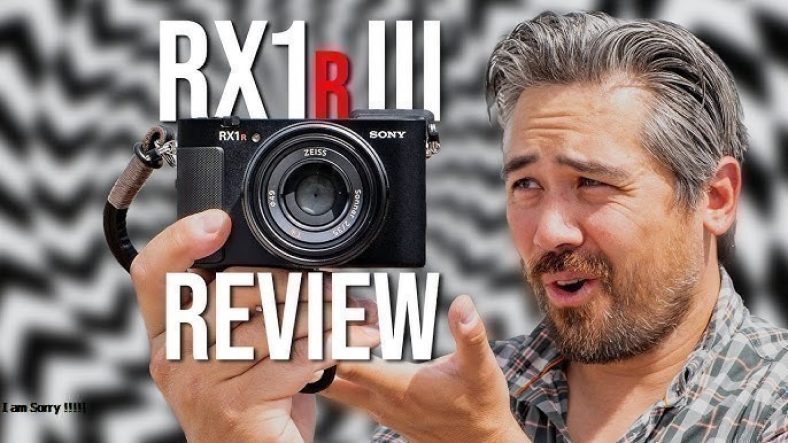
Sony‘s RX1 series was the original trailblazer for full‑frame compact cameras, debuting in 2012, years before mirrorless full‑frame systems became common. After a ten‑year hiatus (the RX1R II launched in 2015), Sony has finally updated the line with the RX1R III. It retains the same core philosophy: a Zeiss 35mm f/2 fixed lens wrapped around a full‑frame sensor in a truly pocketable body. However, after a decade, the world has changed. The RX1R III faces stiff competition from Fujifilm’s X100VI, the Leica Q3, and even Sony‘s own interchangeable‑lens cameras. The central question is whether this nostalgic return is a triumph or a disappointment. This review synthesizes critical feedback from leading camera publications to help you decide.
Key Specifications: Pocketable Powerhouse
The RX1R III is built around Sony‘s 61‑megapixel full‑frame Exmor R CMOS sensor, a component first introduced in the A7R IV back in 2019. The table below summarizes its core specifications.
| Feature | Specification |
|---|---|
| Sensor | 61MP full‑frame Exmor R CMOS |
| Processor | BIONZ XR + dedicated AI processing unit |
| Lens | Zeiss Sonnar T 35mm f/2 (fixed), minimum focus distance 20cm/9.4 inches |
| Viewfinder | 2.36m‑dot OLED electronic viewfinder (fixed) |
| Screen | 3‑inch, 2.36m‑dot fixed touchscreen |
| Autofocus | 693 phase‑detection points (78% coverage) with AI subject recognition (human, animal, bird) |
| ISO Range | 100‑32,000 (standard), expandable to 50‑102,400 |
| Continuous Shooting | Up to 5 fps |
| Video | 4K up to 30p (oversampled from 6K) 10‑bit 4:2:2, Full HD up to 120p |
| Connectivity | USB‑C, micro‑HDMI, microphone input, Wi‑Fi, Bluetooth |
| Battery | NP‑BW51 (CIPA rated for 300 shots), charges via USB‑C |
| Weight | Approximately 490g (1.08 lbs) with battery and card |
| Price | 5,100 USD / 4,200 GBP / 4,900 EUR / 33,999 CNY / 6,299 CAD |
| Accessories (sold separately) | TG‑2 thumb grip (~300 USD), LCS‑RXL body case (~250 USD), LHP‑1 lens hood (~200 USD) |
Image Quality And Autofocus: Stunning, As Expected
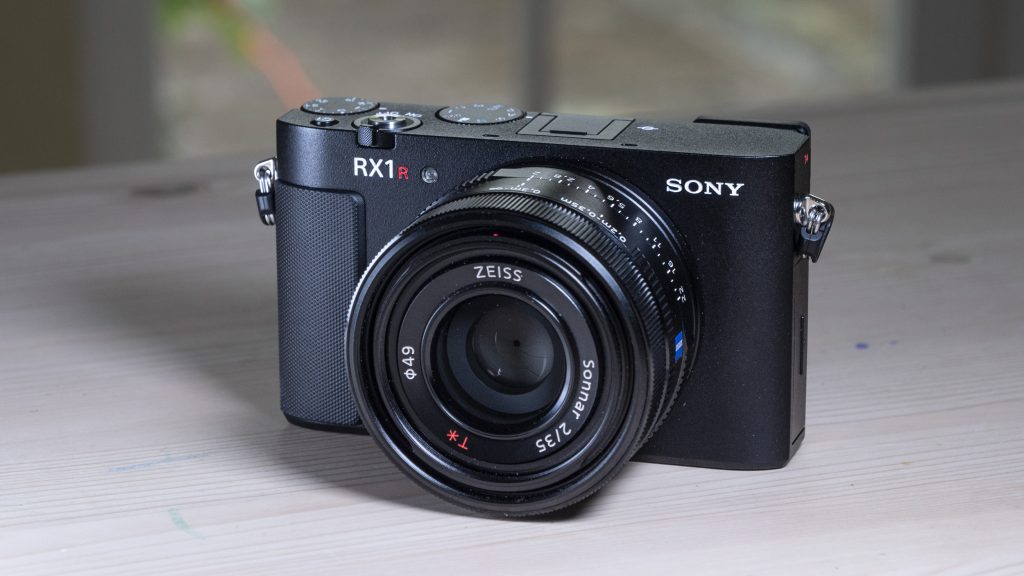
The RX1R III‘s image quality is universally praised. The 61‑megapixel sensor paired with the Zeiss 35mm f/2 lens produces photos that are exceptionally sharp, with beautiful bokeh and a “filmic” look at wide apertures. The dynamic range is excellent, allowing for significant shadow recovery in post‑processing. For photographers who prize resolution and detail, this camera delivers.
Autofocus is another major upgrade. Thanks to Sony’s AI processing unit, the RX1R III inherits the sophisticated subject recognition algorithms from the A7R V. It can accurately track human eyes, faces, and even animals and birds. The 693 phase‑detection points cover 78 percent of the sensor area, and the focusing speed is very fast, making it highly capable for street photography and candid moments. One reviewer noted that it “focuses quickly, nearly instantly, locking onto subjects with near‑psychic speed”.
Design And Handling: The Price Of Portability
The RX1R III‘s magnesium alloy body is incredibly small and light, measuring 4.4 x 2.6 x 3.4 inches and weighing just over a pound. It is significantly more compact than competitors like the Leica Q3. This makes it a true everyday‑carry camera that can slip into a jacket pocket.
However, the sacrifices made for this size are considerable. The most egregious is the fixed rear screen. In a camera at this price point, a tilting or articulating screen is a standard feature, and its absence is a major point of criticism. It makes low‑angle or high‑angle shooting unnecessarily awkward. The fixed electronic viewfinder, while high quality, has also replaced the clever pop‑up design of the RX1R II, which some users preferred for its compactness when stored.
The camera also lacks any meaningful weather sealing, no in‑body or lens‑based image stabilization, and has a very shallow grip. The cramped controls, lack of a joystick, and fixed screen all contribute to a shooting experience that feels less ergonomic and more cumbersome than its rivals, despite its small size. The new flush top plate is aesthetically cleaner but makes the mode dial more difficult to turn without looking.
Video Capabilities: A Solid, But Secondary, Function
For a stills‑focused compact, the RX1R III‘s video features are surprisingly capable. It can record 4K video at up to 30p, oversampled from a 6K readout, in 10‑bit 4:2:2 with S‑Cinetone and support for user LUTs. It also includes a microphone input, which is a major plus for vloggers or hybrid shooters. However, the lack of 4K 60p, in‑body stabilization, and a fixed screen hinders its utility for more serious video work. It is a decent option for secondary video capture, but not a dedicated video tool.
What Is Missing? The Decade‑Old Disappointment
After a ten‑year gap, the absence of certain features is frustrating to reviewers. The most common criticisms include:
Lack of in‑body image stabilization (IBIS): This is now standard in almost all modern premium cameras, and its absence is unforgivable in a 5,100 USD camera.
Fixed rear screen: A tilting or vari‑angle screen is essential for modern photography. Its omission is baffling.
No weather sealing: For a premium camera intended for travel and street photography, some level of dust and moisture resistance is expected.
Mediocre battery life: The NP‑BW51 battery is rated for just 300 shots, which is low for a camera of this class.
Low burst rate: At only 5fps, it is slower than many older and cheaper cameras.
Sony RX1R III Vs Key Competitors
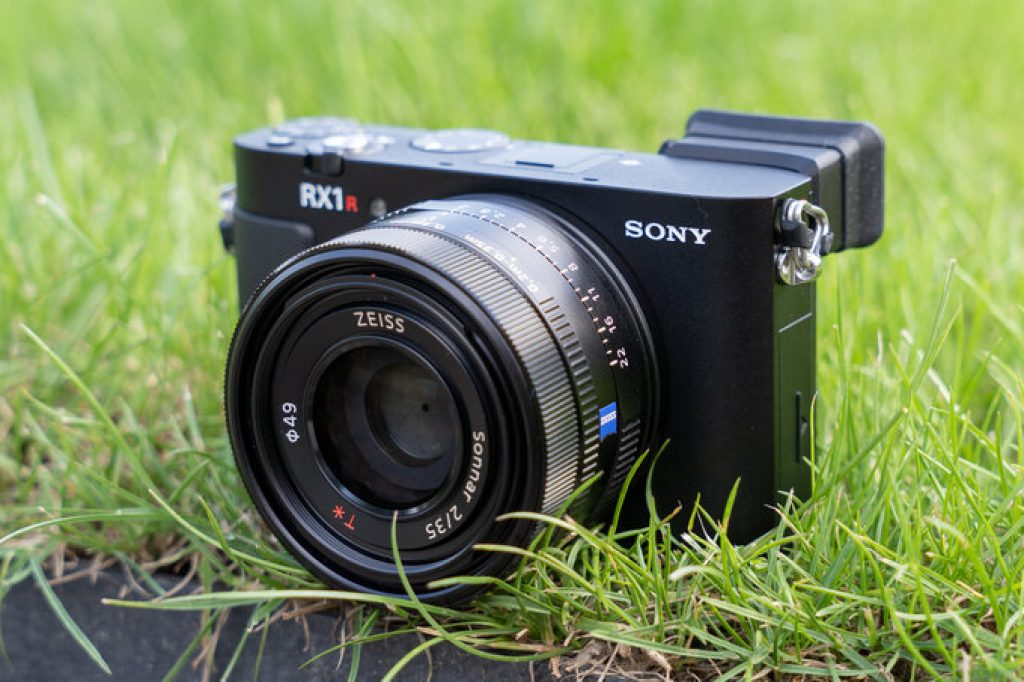
The RX1R III exists in a very small market segment of fixed‑lens premium compacts. Below is a comparison with its main rivals.
| Aspect | Sony RX1R III | Fujifilm X100VI | Leica Q3 | Sony A7C R + 35mm f/1.8 |
|---|---|---|---|---|
| Lens | Zeiss 35mm f/2 (fixed) | 23mm f/2 (fixed), equiv. 35mm | 28mm f/1.7 (fixed) | Interchangeable (user choice) |
| Sensor | 61MP full‑frame | 40MP APS‑C | 60MP full‑frame | 61MP full‑frame |
| Weight | 490g | 521g | 743g | ~ 870g (body + lens) |
| Stabilization | No | Yes (in‑body) | Yes (in‑body) | Yes (in‑body on A7C R) |
| Screen | Fixed | 3‑way tilting | Tilting | Vari‑angle |
| Price | 5,100 USD | 1,599 USD | 5,995 USD | ~4,500 USD (body + lens) |
| Best For | Pure image quality, absolute pocketability | Value, features, hybrid shooting | Luxury build, handling | Versatility, future‑proof system |
The Leica Q3 is a more premium, better‑built camera with stabilization and a faster lens, but it‘s also larger, heavier, and more expensive. The Fujifilm X100VI offers incredible value with similar design, better features (like IBIS and a tilting screen), and 90 percent of the RX1R III‘s charm for 70 percent less money. The Sony A7C R kit is a more versatile and often cheaper alternative that offers the same sensor with interchangeable lenses, stabilization, and modern features.
Pros And Cons Of The Sony RX1R III
| Pros | Cons |
|---|---|
| Incredibly compact and lightweight full‑frame body | Extremely expensive at 5,100 USD |
| Stunning 61MP image quality with beautiful Zeiss lens | No image stabilization (IBIS) whatsoever |
| Fast and accurate AI‑powered autofocus with subject tracking | Fixed rear screen (no tilt, no articulation) |
| 4K 10‑bit video with S‑Cinetone and mic input | No weather sealing |
| Solid build quality with a true pocketable design | Cramped controls and awkward handling (no grip, tiny buttons) |
| Step Crop feature (35/50/70mm) adds flexibility | Poor battery life (CIPA 300 shots) |
| A unique, niche product with dedicated fans | Significantly more expensive than the Fujifilm X100VI |
| Slow 5fps continuous shooting | |
| Fixed viewfinder replaces the clever pop‑up design |
Frequently Asked Questions (FAQs)
What is the price of the Sony RX1R III?
The RX1R III‘s MSRP is 5,100 USD, 4,200 GBP, 4,900 EUR, or approximately 33,999 CNY. This is a 2,000 USD increase over the RX1R II‘s launch price.
When was the Sony RX1R III released?
The camera was announced and released in July 2025.
Does the Sony RX1R III have image stabilization?
No. The camera has no in‑body or lens‑based stabilization. This is a major point of criticism considering its price.