Across the United States, an unusual trend is gaining attention: cities are placing black trash bags over surveillance cameras designed to automatically capture vehicle license plate information.
The cameras, operated through the rapidly growing surveillance technology company Flock Safety, were originally promoted as tools to help law enforcement investigate crimes, locate stolen vehicles, and identify suspects. However, growing concerns over privacy, data sharing, and government oversight have triggered a backlash in multiple communities.
What started as a local dispute has now evolved into a nationwide debate about the future of public surveillance.
WHAT ARE FLOCK LICENSE PLATE READER CAMERAS?
Flock cameras use Automated License Plate Recognition (ALPR) technology to capture images of passing vehicles and convert license plates into searchable digital records.
The system can help law enforcement:
- Track stolen vehicles
- Investigate criminal cases
- Locate missing persons
- Analyze vehicle movement patterns
Supporters argue that these tools improve public safety and assist police investigations. Critics argue that the same technology can create large-scale vehicle tracking networks with limited public oversight.
WHY ARE CITIES COVERING THE CAMERAS?
The most visible example emerged in Dayton, Ohio, where city workers physically covered dozens of cameras with trash bags after concerns arose about how the collected data was being used. Officials cited policy violations involving thousands of immigration-related searches and launched an audit into system usage.
The bags serve a simple purpose:
- Block camera visibility
- Reassure concerned residents
- Prevent additional data collection while reviews continue
- Create a temporary solution until equipment can be removed or contracts resolved
The move has become a symbol of growing resistance to surveillance technology.
THE BIGGER PRIVACY CONCERN
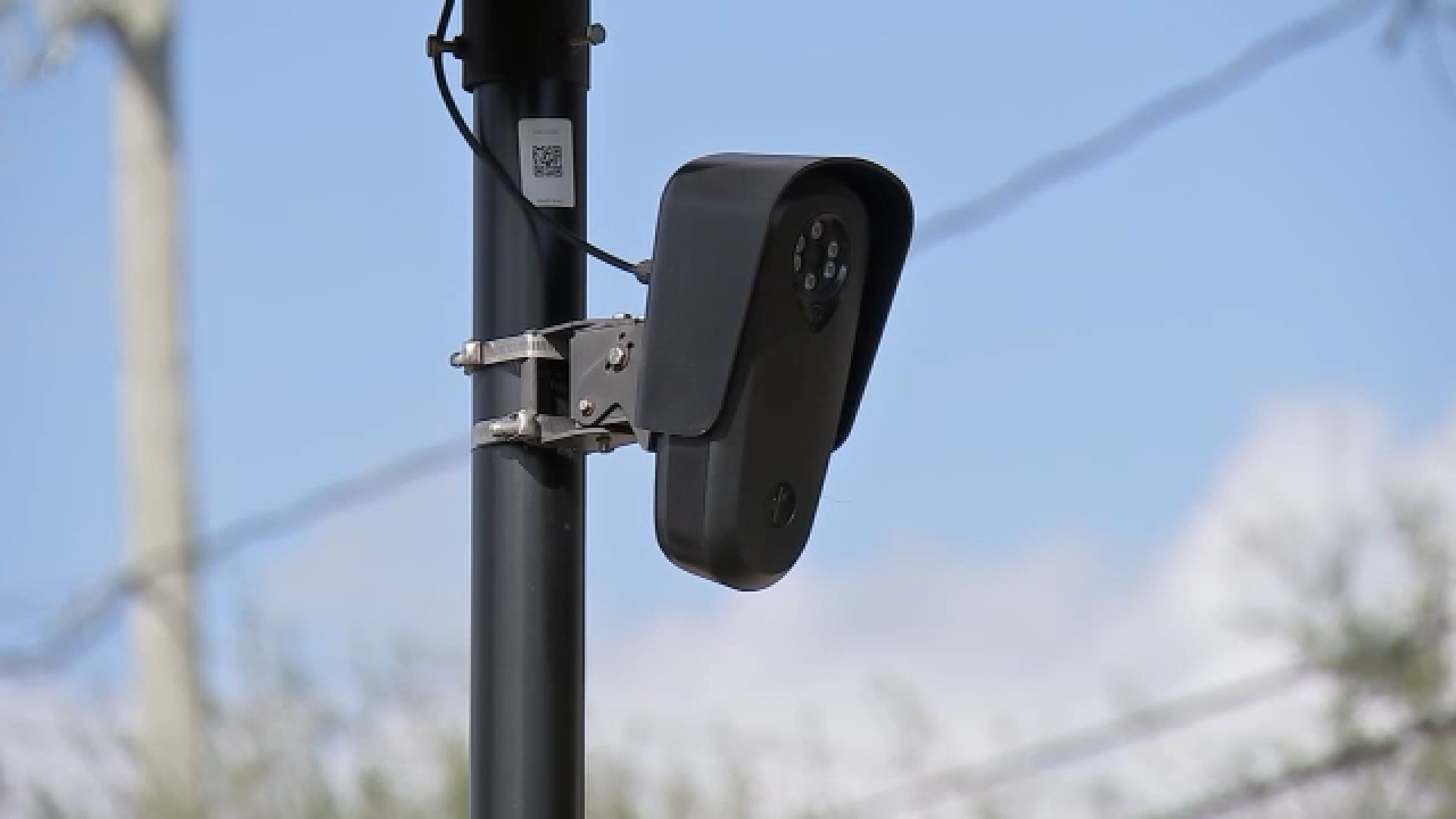
Privacy advocates argue that license plate readers collect vast amounts of information about ordinary drivers who are not suspected of any crime.
Common concerns include:
Mass Data Collection
Vehicles can be recorded repeatedly throughout the day, creating detailed movement histories over time.
Data Sharing
Several cities have raised concerns about how collected information may be shared among agencies and jurisdictions. Questions surrounding access controls have become a major point of controversy.
Oversight Challenges
Some municipalities discovered that ending contracts or removing equipment was more complicated than expected, creating uncertainty about who controls the hardware and the data.
WHY SOME CITIES ARE RECONSIDERING SURVEILLANCE CONTRACTS
Several communities across the country have reviewed, paused, or terminated surveillance agreements after public pressure and policy concerns emerged. Cities have questioned:
- Long-term privacy implications
- Data retention policies
- Third-party vendor control
- Transparency requirements
- Compliance with local regulations
The controversy highlights a broader challenge facing smart-city technologies: balancing public safety benefits against civil liberties protections.
PUBLIC REACTION CONTINUES TO GROW

Online discussions reveal strong public opinions on both sides of the debate.
Supporters believe surveillance cameras help reduce crime and improve investigations.
Critics argue that widespread vehicle monitoring creates a system capable of tracking everyday citizens without sufficient safeguards. Many commenters have expressed concerns about surveillance expansion and government accountability.
The debate has become less about individual cameras and more about how much monitoring citizens are willing to accept in public spaces.
THE ARGUMENT FOR SURVEILLANCE TECHNOLOGY
Supporters of license plate reader systems point to several benefits:
- Faster criminal investigations
- Recovery of stolen vehicles
- Assistance during emergencies
- Identification of suspect vehicles
Technology providers maintain that the systems include auditing tools, access controls, and data management features intended to support responsible usage.
THE ARGUMENT AGAINST SURVEILLANCE TECHNOLOGY
Opponents argue that even well-intentioned systems can be vulnerable to:
- Mission creep
- Data misuse
- Unauthorized access
- Excessive tracking of innocent individuals
Civil liberties organizations continue to call for stronger transparency requirements and stricter limits on surveillance deployments.