Overwatch launched on May 24, 2016. A decade later, the game has survived a rollercoaster lifecycle that included Game of the Year awards, calls for boycotts, a content drought, a controversial sequel launch, and eventual redemption under new ownership. The game has changed from 6v6 to 5v5, added role queue, hero limits, perks and Stadium mode. The author reflects on 10 years of playing, from being a Mercy one trick to reaching Master rank, making lasting friendships and even featuring the game at their wedding. This review covers the game‘s evolution, community, character design and why Overwatch is still worth playing in 2026.
The Early Years: Character Design And First Impressions
The author first saw Overwatch in a movie theater trailer in 2016. The colorful heroes, global accents and ideals of hope, courage and justice stood out. After playing at a friend‘s house, they were hooked. The author became a Mercy one trick for two years, racking up hundreds of hours. The game‘s character design was the major hook. The theatrical trailer showed Mercy descending from the skies to save an injured child, conveying the savior fantasy without any gameplay explanation.
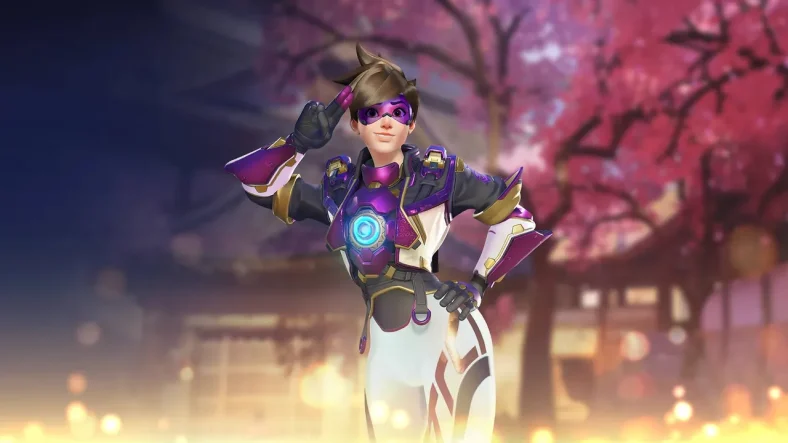
Game Director Aaron Keller noted that the hero roster is the major hook for a competitive PvP game. The vast amount of cosplays and fan art prove the power of Overwatch‘s designs. At BlizzCon 2014, people showed up the next day in hastily constructed cosplays. The author‘s play habits have since changed to Ana, Ashe and Anran, but character design still draws them in more than gameplay.
The Community: Finding Friends Through Overwatch
The author has spent over 2,000 hours in Overwatch matches and another thousand plus in menus and queues. The biggest legacy of Overwatch in their life is the community they found. As a deep introvert who works from home, making friends is rare. In 2017, they stumbled into a group of strangers on Overwatch.
What began as occasional Overwatch nights escalated into a Facebook group with regularly scheduled team queues. People were spread across multiple time zones and continents, but they put together a full lineup. The author made jerseys with everyone‘s battletags and flew out of state for a meetup.
One particular internet stranger from those early days became a close friend. He was living in Japan when they first met over Xbox party chat. They have been queuing up every week for nine years now. He emceed a party game at the author‘s wedding last year.
Competitive Play: From Mercy One Trick To Master Rank

The author played on two organized teams during the pandemic. They had spent years watching Overwatch League, the premier esports league that lasted from 2018 to 2023. They played as a flex support player, specializing in Ana, Kiriko, Baptiste and Zenyatta. One team made it to the finals of a tournament.
Last fall, the author dedicated time to grind the game‘s competitive mode, eventually reaching a new career peak at the rank of Master. In 2022, Overwatch became part of their job when they started covering the Overwatch 2 beta.
The Evolution Of Overwatch: Key Changes Over 10 Years
July 2016: Hero limits in competitive mode
No longer could you roll out on three Bastions and three Reinhardts. Once a player chose a hero, that character was unavailable to the rest of the team. This traded openness and flexibility for stability.
August 2019: Role queue
Players selected a role (tank, damage or support) and were locked into that role for the entire match.
Overwatch 2 launch: Switch from 6v6 to 5v5
In response to a dearth of tank players, which caused rocketing queue times, Overwatch dropped down to a single tank on each team. This change was divisive.
Content drought
For two and a half years, the game received no new heroes or maps for core game modes, just a pair of deathmatch maps.
Blizzard workplace controversies
Blizzard was the subject of accusations about a discriminatory and harassment filled workplace, which led to 20 employees being fired and several leaders resigning.
Overwatch 2 launch issues
New heroes locked behind battle passes, legendary skins costing 19 USD, hero talents scrapped, and story mode released in paid installments.
Redemption under Microsoft
Heroes were freed from battle passes. The devs started communicating more often through Director‘s Take blog posts. They made ambitious changes like Stadium mode and perks system.
Overwatch Classic Mode Vs Current 5v5
To celebrate the 10 year anniversary, Overwatch brought back Classic mode, recreating the original 6v6 experience with no hero limits. The author played a game where their team rolled out as six Widowmakers against six Torbjorns. It was one of the weirdest and most interesting games they had ever played.
After a few rounds of Classic, they went back to standard 5v5 quickplay. They agreed that while Classic was fun as a one off, they liked what Overwatch had become: a faster, more dynamic game. A decade of quality of life changes, new heroes, maps and systems like perks have shaped the game into something more robust than its original version.
Why Overwatch Has Lasted 10 Years

The game has built longevity on pillars of character, community and evolution. Character design draws players in. The community keeps them around. Evolution (hero limits, role queue, 5v5, perks, Stadium) keeps the game fresh.
Keller acknowledged that some of Overwatch‘s low moments came from missteps the team took. But Walter Kong, SVP of live games at Blizzard, said the team turned adversity into something positive. The devs incrementally changed the game for the better under Microsoft ownership. The game feels fresh but familiar, giving longtime players a reason to stick around and former players a reason to come back.
Pros And Cons Of Overwatch In 2026
Pros
- 10 years of continuous updates and support.
- Large, diverse hero roster with unique character designs.
- Strong community and social features.
- Competitive mode with rank progression.
- Regular events and seasonal content.
- Perks and Stadium mode add new gameplay layers.
- Overwatch Classic mode for nostalgia.
- Game is free to play (Overwatch 2).
- Cross platform play.
- Active esports scene (though Overwatch League has ended).
Cons
- 5v5 format is still divisive among original 6v6 fans.
- Battle pass and cosmetic microtransactions.
- Content droughts in the past eroded trust.
- Blizzard‘s workplace controversies harmed the brand.
- Steep learning curve for new players.
- Some heroes are overpowered or underpowered per patch.
- Competitive mode can be toxic.
Frequently Asked Questions (FAQs)
Is Overwatch still popular in 2026?
Yes. Overwatch still has an active player base, regular updates and seasonal content. The Reign of Talon season brought a surge of players back.
What is the difference between Overwatch Classic and Overwatch 2?
Overwatch Classic is the original 6v6 mode with no hero limits. Overwatch 2 is 5v5 with role queue, new heroes, perks and Stadium mode.
Is Overwatch free?
Overwatch 2 is free to play. The original Overwatch is no longer available as a separate purchase.