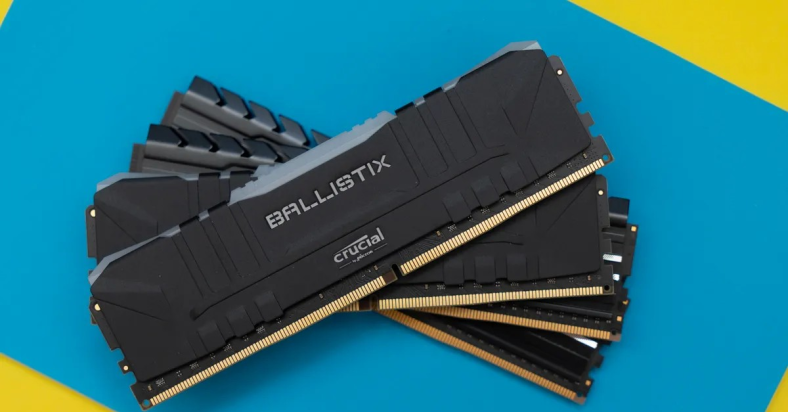
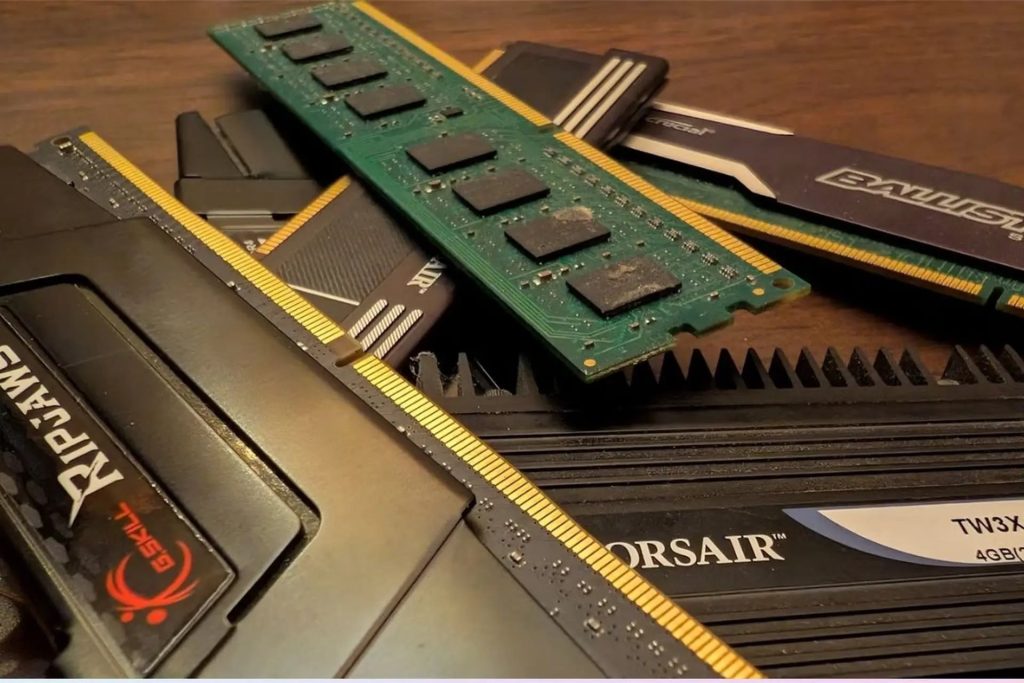
Tech executives across the industry are warning of a severe memory supply shortage that will drive up prices for consumer hardware in the second half of 2026 and beyond. Dubbed “RAMageddon,” the crisis stems from semiconductor fabrication facilities reallocating production capacity away from consumer memory chips toward more profitable AI components. Samsung, one of only three major DRAM manufacturers, has already sold out its production capacity through the end of 2026. Micron exited the consumer RAM business entirely in 2025, leaving SK Hynix as the remaining major supplier. The result is higher prices, fewer promotions and limited availability for laptops, desktops, smartphones, gaming consoles and even streaming devices.
Why RAMageddon Is Happening
The core problem is not a lack of chip manufacturing capacity, but the reallocation of existing capacity. Semiconductor fabs are highly profitable facilities, and memory suppliers are directing their limited resources toward the most lucrative products. Right now, the most profitable products are those related to artificial intelligence, including High Bandwidth Memory (HBM) for AI accelerators and DDR5 memory for AI servers.
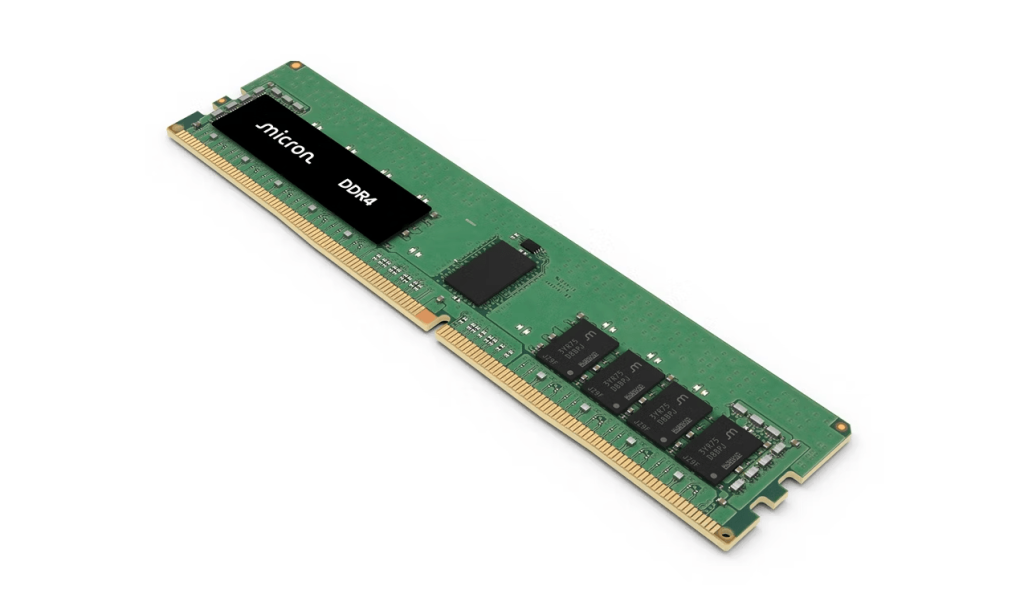
Samsung, SK Hynix and Micron control nearly all of the global DRAM supply. Samsung has confirmed that its memory production capacity is sold out through the end of 2026. Micron left the consumer RAM business entirely in 2025, focusing instead on HBM for AI. SK Hynix is similarly prioritising AI customers. The remaining capacity for consumer DDR4 and DDR5 modules, LPDDR memory for laptops and mobile devices, and NAND flash for SSDs is shrinking rapidly.
This supply squeeze affects not only memory but also processors. Apple CEO Tim Cook noted that the “availability of advanced nodes our SOCs are produced on” is one of his company‘s biggest woes. Apple is even considering splitting its production beyond long‑term partner TSMC to include Samsung and Intel fabs. System configurations on Apple’s website have been disappearing quickly due to component shortages.
Price Hikes And Reduced Promotions
The effects of RAMageddon are already visible in retail. Best Buy‘s senior vice president and chief customer officer, Jason Bonfig, said that instead of raising prices directly, computer vendors are first reducing promotions. “What you’ve actually seen less of is pure cost increases and more of a general slight pullback in promotions from computing vendors, which is the first thing they‘ll do under this memory situation,” said Best Buy CFO Matt Bilunas.
PC Connection‘s CEO, Timothy McGrath, was more direct: “It’s really clear that the memory shortage is going to continue to drive inflation. And what we‘re seeing with that inflation is that the price is going up, and in some cases, the unit counts are going down. However, the inflated prices are little more than offset the reduction in units, at least at this time.” In other words, as the volume of products drops, prices will rise to compensate.
AMD expects its gaming revenue to drop by 20 percent in the second half of the year compared to the first half, citing slower desktop sales due to memory and component prices. Microsoft also expects a decline in PC sales. Intel CEO Lip‑Bu Tan warned that “constraints and rising prices around key components like memory, wafers and substrates are driving higher costs that could impact demand for our product at some point in the year.”
Premium Products Get Priority
The shortage is not uniform across all product categories. Manufacturers allocate scarce memory and components to their highest‑margin products first. This means that affordable laptops, budget smartphones and entry‑level desktops are likely to see the most severe shortages and price increases, while premium products may remain available but at higher prices.
Qualcomm CFO Akash Palkhiwala explained: “If you had to choose between which devices you put your memory allocation to, you would pick the premium and the high tier. That is where the profitability sits, and that is what you are seeing happen in the market.” This secondary inflationary effect means that even if you are willing to pay more, you may have fewer choices at the lower end of the market.
SanDisk, a major manufacturer of solid‑state storage, has become more selective about its customers. The company now prefers multi‑year agreements with large enterprise customers rather than quarterly negotiations with consumer device makers. “Now what will we supply? That‘s an interesting question,” said SanDisk CEO David Goeckeler. “We’ll supply the customers that we have agreements with. That‘s the way we’re starting to look at the market.” This tightens supply for consumer SSDs even further.
How Long Will RAMageddon Last
Industry estimates vary widely. Thomas Baker, senior vice president and chief financial officer of PCC, said that suppliers and partners have given a wide range of timelines. “Some people are saying through — even into ‘28, ’29, and others are saying through ‘26,” Baker said. “So I think it’s a little bit of a wait and see.”
The duration depends on how quickly new fab capacity can be brought online. Building new semiconductor fabrication facilities takes years and costs billions of dollars. Existing fabs are already running at full capacity. Until AI demand moderates or new capacity is added, the shortage is likely to persist.
RAMageddon Vs Previous Shortages
| Crisis | Time Period | Primary Cause | Impact On Consumers |
|---|---|---|---|
| GPU Shortage | 2020‑2022 | Crypto mining, pandemic supply chain | Graphics cards at 2‑3x MSRP |
| RAMageddon | 2026‑2028 (projected) | AI demand reallocating fab capacity | Higher RAM prices, fewer promotions, premium product focus |
| Automotive Chip Shortage | 2021‑2023 | Pandemic, shift to electric vehicles | New car prices increased, long delivery delays |
| DDR3 to DDR4 Transition | 2014‑2016 | Manufacturing retooling | Moderate RAM price increases |
Unlike the GPU shortage, which was driven by a speculative bubble (cryptocurrency mining), RAMageddon is driven by real, sustained demand from AI data centres. This demand is unlikely to disappear quickly. The shortage is also broader, affecting not only RAM but also processors, storage and other semiconductor components.
What This Means For Consumers
If you are planning to buy a laptop, desktop, smartphone, gaming console or even a streaming device in the second half of 2026, expect higher prices and fewer discounts. Retailers and manufacturers may not raise list prices directly, but they will reduce promotional activity, making it harder to find bargains.
For products that are already on the market, remaining inventory may be the best value you will see for a while. Once that inventory is sold, replacement products with similar specifications will likely cost more. If you need a new computer or phone, buying sooner rather than later is advisable.
For DIY PC builders, the situation is more complicated. RAM prices have already begun to rise, and they are expected to continue increasing. However, the DIY market is a lower priority for memory suppliers compared to large OEM contracts. Availability of individual DDR4 and DDR5 modules may become spotty, and prices may spike unpredictably.
Frequently Asked Questions (FAQs)
What is RAMageddon?
RAMageddon is a term used to describe the severe memory supply shortage and resulting price inflation affecting consumer electronics in 2026. It is caused by semiconductor fabs reallocating production capacity away from consumer memory toward more profitable AI components.
Why is there a RAM shortage?
The three major DRAM manufacturers — Samsung, SK Hynix and Micron — are prioritising production of High Bandwidth Memory (HBM) and DDR5 for AI servers over consumer DDR4, DDR5 and LPDDR memory. Samsung has sold out its capacity through the end of 2026, and Micron has exited the consumer RAM business entirely.